
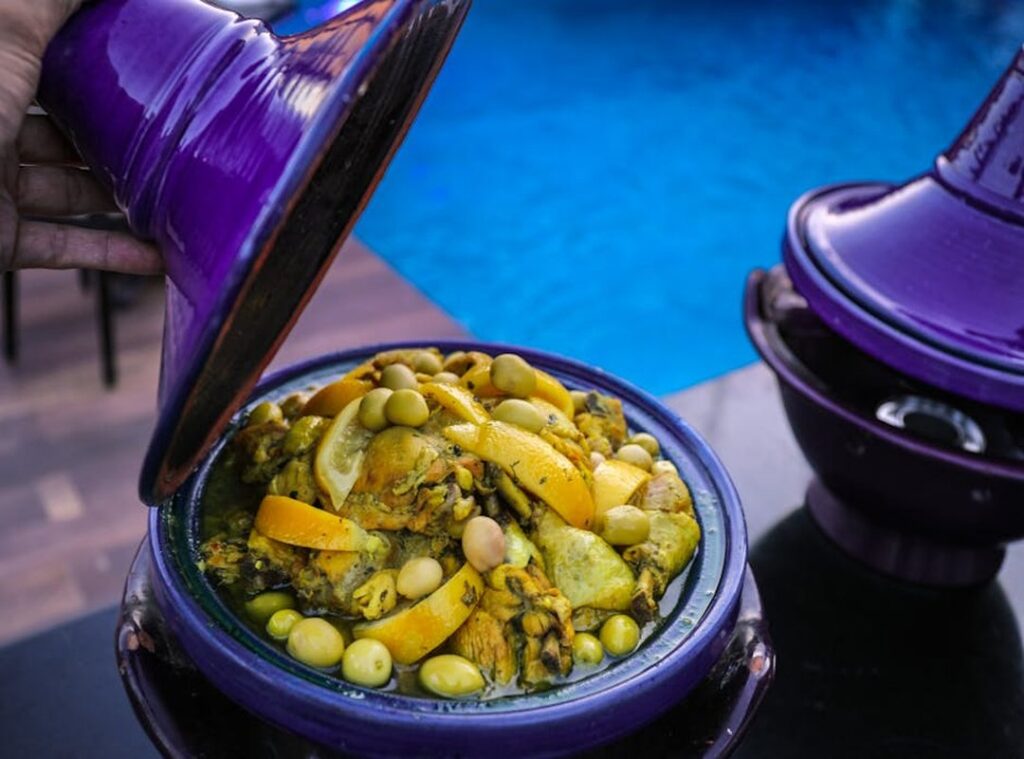
Moroccan cuisine draws you in with its rich flavors and lively colors. Yet, many home cooks feel lost when faced with Moroccan tagines. What type should you choose?
How do you use them? These questions can feel overwhelming.
I’ve been there, standing in front of a store shelf, unsure of where to begin. You want to explore this unique cooking style, but the options can confuse you.
This guide is here to help. We deep dive into the authentic uses of Moroccan cooking pots and share tips to simplify the process. Trust me, I’ve explored global culinary traditions, and I know how to make these techniques accessible for everyday cooking.
You’ll find clear definitions and practical steps. I want you to feel confident when using a tagine, whether for a cozy dinner or a gathering with friends.
This article will help you with knowledge and make Moroccan cooking a part of your home. It’s time to open up the magic of these pots and the delicious meals they create. Let’s get started.
The Heart of Moroccan Cuisine: Tagines Explained
What are Moroccan cooking pots all about? Well, when we talk about them, we’re mainly talking about the Moroccan tagines. These aren’t just pots; they’re an entire cooking philosophy.
Picture this: a conical lid sitting on a shallow base. They’re usually made from clay or ceramic. The design isn’t just for looks (though they’re pretty) (it’s) a functional marvel.
The genius of a tagine is in its slow, moist cooking method. The steam circulates within the pot, tenderizing ingredients and amping up the flavors. You don’t get that kind of magic with a regular pot.
It’s like the universe’s way of saying, “Let me show you what food can really taste like.”
Historically, the tagine’s been a cornerstone of Moroccan culinary traditions. It’s more than a cooking tool; it’s a centerpiece of family gatherings and hospitality. Imagine sitting around a table sharing a dish of chicken with preserved lemon and olives or lamb with prunes.
These are dishes that define home and togetherness.
Pro tip: If you haven’t tried cooking with one, you’re missing out. It’s not just food; it’s an experience.
Beyond the Basics: Moroccan Cooking Pots
to the world of Moroccan tagines. First up, traditional unglazed clay tagines. They’re porous and need seasoning, which makes them a bit high-maintenance.
But the payoff? Unmatched earthy flavors and even heat. They’re the kind of pot you handle with care, like a vintage record player (remember those?).
Glazed ceramic tagines are the flashy cousins with their lively colors. They’re a breeze to clean and double up as serving dishes too. The best part?
You can take them straight from the stove to the table. No fuss.
Now, cast iron tagines are the tanks of the kitchen. Durable and versatile, they hold heat like no other. Perfect for stove-top searing before you dive into slow cooking.
They might not look as pretty, but they’re workhorses.
And don’t forget other Moroccan pots like the couscoussiere, perfect for steaming couscous. The fakhkhara is your go-to for deep stews. Each pot has its role.
Want to explore more traditional cookware? Check out this page on indigenous cuisines of Australia. It’s a culinary trip worth taking.
Master the Tagine: Open up Flavorful Moroccan Magic
Starting with a new unglazed clay tagine? You must baptize it. Soak it in water for a day.
This boosts its strength. Next, coat it with olive oil and bake it gently. This seasoning process enhances flavor over time.
Cooking with a tagine is a dance of patience. Low and slow is the name of the game. Using a diffuser on electric stoves keeps the heat gentle and even.
Trust me, it’s worth it. You don’t want your moroccan tagines cracking under pressure.
Layering your ingredients in the tagine is key. Place sturdy veggies at the bottom. Meat goes in the middle.
Delicate items on top. This ensures everything cooks evenly, blending flavors exquisitely.
Use minimal liquid and let steam work its magic. Resist lifting the lid too often (I know it’s tempting). You’ll lose the important steam if you keep peeking.
Common spices like ras el hanout, saffron, and ginger are your allies. They define the Moroccan taste. Keep it simple, bold, and let the tagine do its thing.
Cooking isn’t just about eating. It’s about experiencing the world on a plate.
Keep Your Tagine in Top Shape: Tips You Need
Let’s talk about caring for your Moroccan tagines. If you’re using a clay one, treat it like gold (gently hand wash it). Those glazed or cast iron ones?
Some are even cool with the dishwasher. But let’s be honest, hand washing is always the safest bet. Thinking of tossing a clay tagine in there?
Don’t. Trust me, it’s not worth the risk of cracks or worse.
Once it’s clean, dry it thoroughly. Why? Well, uninvited guests like mold love moisture.
For porous clay, a sneaky tip: occasional re-seasoning keeps it in prime condition. You don’t want your kitchen masterpiece falling apart, do you? Speaking of mishaps, food sticking is a common gripe.
Use a bit more oil or butter next time you cook (your taste buds will thank you).
For stubborn stains or smells, a little paste of baking soda and water does wonders. Just rub gently. As for storage, make sure it’s bone dry before tucking it away.
Proper care keeps your tagine cooking for years. After all, it’s not just a pot; it’s a conversation starter.
Beyond Moroccan: Flavor Fusion in Your Pot
Think Moroccan tagines are just for, well, Moroccan food? Think again. Your tagine can be a flavor powerhouse for global cuisines.
It’s about time we give our taste buds a little adventure.
The slow, moist cooking style is perfect for braising short ribs or whipping up Indian curries. Ever tried a pot roast in one? You should.
Here’s where it gets exciting: blending flavors from different culinary traditions. Imagine the spice of a Thai curry with the richness of a French beef stew. Why not toss in some cumin and coriander for a Middle Eastern twist?
The possibilities are endless, and honestly, more fun than sticking to the script. If you’re curious, exploring Sri Lankan flavors is a great place to start.
For busy folks like us, pre-chopped ingredients can be a lifesaver. Think of it as investing in your culinary creativity. Slow-cooker adaptations work wonders too.
Just throw everything in and let it do its magic while you binge-watch your favorite series. Try using root vegetables and legumes, or even seafood, to discover new go-to dishes. It’s not just cooking; it’s an exploration.
Open up the World of Moroccan Cooking
Your quest for understanding Moroccan tagines is complete. I know the initial intimidation of unfamiliar cooking tools can be overwhelming. But now, with the takeaways from this guide, you can tackle Moroccan cuisine with confidence.
Choosing the right pot is just the beginning. Imagine diving into your first authentic recipe, surrounded by the rich aromas of spices and flavors. This journey will be both rewarding and delicious.
Don’t let doubt hold you back. Pick your ideal Moroccan tagine and start cooking today. Embrace the unique flavors and cooking hacks that this traditional pot offers.
Your culinary adventure awaits. Let’s make it happen!
 Orynthara Wren is dedicated to the spirit of global exploration and the art of the curated journey. Specializing in high-level itinerary optimization and cultural discovery, the platform serves as a guide for those seeking to navigate the world with curiosity and precision. From hidden local gems to seamless travel hacks, Wren empowers adventurers to transcend traditional tourism and engage deeply with the diverse landscapes and traditions they encounter.