
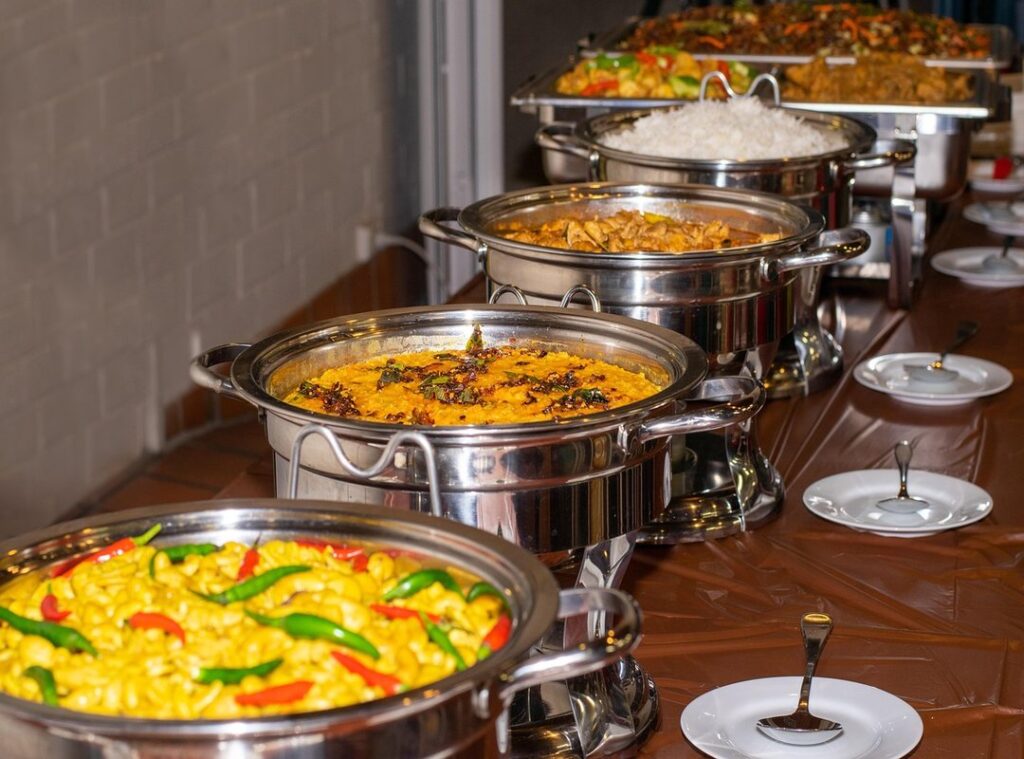
Sri Lankan food tends to confuse people. Most think of it as just “curry,” but there’s so much more.
It’s a cuisine rich in history, unique ingredients, and techniques that deserve a closer look.
I’ve spent years exploring global cuisines, diving deep into their flavors and methods. I can tell you firsthand that Sri Lankan cuisine is a lively mix of influences and traditions.
In this article, I’ll clear up misconceptions and provide you with a real understanding of what makes this food special.
I’ll give you definitions, explanations, and examples that help you to appreciate these culinary traditions. By the end, you’ll see Sri Lankan dishes in a new light. Trust me, this is a journey worth taking.
Spice and Influence: Sri Lanka’s Culinary Heartbeat
Sri Lankan cuisine is a its spicy past and strategic location. This island was a hot spot (pun intended) on the spice trade routes, which means its food is a melting pot of flavors. It’s like a culinary history lesson on a plate.
India’s influence is undeniable with its bold spices and rich curries. But let’s not forget the Portuguese who brought fiery chili peppers. The Dutch left behind a love for sweets and pastries, while the British contributed tea (obviously) and a penchant for puddings.
Malaysia spiced things up with coconut milk and a knack for balancing flavors.
Now, let’s talk about rice and curry. It’s not just a dish; it’s the soul of every meal. You can customize it endlessly (fish,) chicken, or just veggies.
It’s different every time but always central to the table.
Fresh ingredients are non-negotiable here. They make the food lively and alive. You can taste the sunshine in the produce.
And then there’s Ayurveda. Balancing sweet, sour, salty, bitter, pungent, and astringent isn’t just health advice; it’s a way of life. It keeps meals interesting and bodies in harmony.
This isn’t just food. It’s a philosophy.
Sri Lankan Flavors: The Heartbeat of the Island
Let’s be real. Coconut is king in Sri Lankan cuisine. It’s everywhere. Coconut milk, cream, grated meat, and oil.
They all transform dishes with their unique textures and flavors. My first mistake was underestimating its versatility. I thought using just one form would suffice.
Nope. Each form plays a distinct role in dishes like curries and sambols. You can’t skip out on any.
Now, spices. You think you know them until you dive into a Sri Lankan spice pantry. Cinnamon, cardamom, cloves, turmeric, cumin, and coriander.
These aren’t just spices, they’re the soul of the cuisine. They add layers of flavor that are impossible to replicate elsewhere. I once mixed up turmeric and cumin.
Rookie error. It completely altered the dish. But hey, that’s how you learn.
Rice is another staple, especially red and white varieties. They’re not just food; they’re culture. The variety alone is overwhelming.
I had no idea. It’s a staple you can’t ignore.
Oh, the seafood! Being an island nation, Sri Lanka boasts an abundance of it. Grilled, curried, or fried.
It’s fresh and flavorful. And let’s not forget Maldive Fish, those dried cured tuna flakes. They’re the secret umami bomb in many curries.
Want to explore more unique flavors? Look into indigenous cuisines of australia. It’s another culinary adventure worth taking.
Flavor Unleashed: Sri Lankan Culinary Secrets
Let’s dive into the world of Sri Lankan cuisine, where every dish tells a story. Take the ‘tempering’ technique. You heat spices and aromatics in hot oil, and bam!
The aroma hits you like a wave. It’s not just about flavor; it’s about unlocking the essence of each spice. Commonly used in curries, it’s a game-changer for depth.
Speaking of curries, ever wondered about those magical curry powders? Roasted versions bring a smoky note, while unroasted ones let the natural spice profiles shine. It’s like choosing between two epic playlists.
Each region has its blend, adding to the island’s rich mix of flavors.
Now, let’s chat sambols. These are not just condiments (they’re) bursts of life. Pol Sambol with coconut, Seeni Sambol with caramelized onions, or the fiery Lunu Miris.
Each one gives a dish that extra kick.
Coconut milk plays its own role in this flavor orchestra. Thin coconut milk starts the simmering, while the thick version finishes, adding richness and texture. It’s all about layers, like a well-composed song.
Traditional cooking methods like clay pot cooking? They’re key. They offer slow, even heat, enhancing flavor.
Then there’s ‘kiribath’ (a) ceremonial milk rice. It’s cooked with precision, showing rice isn’t just rice; it’s a celebration. Curious about sri lankan cuisine?
There’s so much more to explore.
Iconic Dishes: A Taste Tour of Sri Lanka
Sri Lankan cuisine is a lively mix of flavors, colors, and textures. It all starts with Rice & Curry, a meal that’s anything but simple. Picture a plate piled high with rice and surrounded by a kaleidoscope of curries.
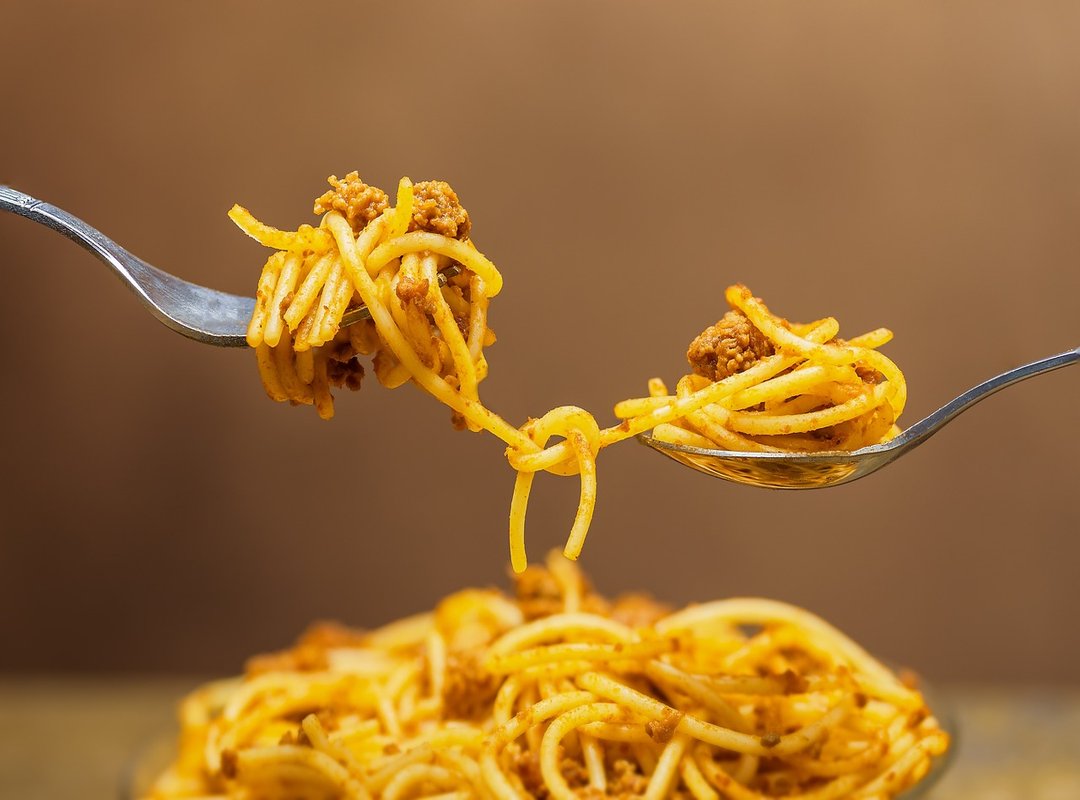
You’ve got your spicy dhal, coconut sambol, and tangy mango chutney. Each bite is a new experience.
Then there are hoppers, or appa. These bowl-shaped pancakes are a breakfast staple. Add an egg and you’ve got egg hoppers, with a delightful runny yolk center.
Don’t forget string hoppers. These delicate rice noodles, or indi-appa, are steamed and served with coconut milk.
Kottu Roti is street food at its finest. Originating from leftover bread (roti), it’s chopped up with vegetables, meat, and eggs on a hot plate. The sound of the metal blades is a melody in the night air.
It’s as much about the experience as the taste.
Pittu is another marvel. Steamed rice flour cylinders mixed with grated coconut, served with curry or coconut milk.
Lamprais, a Dutch Burgher relic, is a savory parcel of delight. Rice, various curries, and frikkadels (meatballs) are wrapped in a banana leaf and baked. It’s a dish that tells a story.
And for dessert? Watalappan, a spiced coconut custard with cardamom, is a must-try.
If you’re curious, Sri Lankan dishes have similarities with authentic Thai street food, yet they stand uniquely on their own.
Sri Lankan Cuisine: Beyond the Meal
Hospitality in Sri Lanka is an art form. The moment you step into a Sri Lankan home, you’re enveloped in warmth and generosity. Food is not just a meal here; it’s a bold expression of welcome.
Ever been invited to eat with your hands? It’s customary with certain dishes, creating an intimate dining experience. Sharing is key.
It’s not just food; it’s a bond.
Street food in Sri Lanka? Oh, it’s lively! Think of local markets buzzing with energy, offering “short eats” like samosas and kottu roti.
Not a fan of chaos? It’s about immersion. You can’t understand Sri Lankan cuisine without experiencing this.
Festivals are something else. Each dish tells a story. During Sinhalese New Year, people prepare kiribath and taste it as a family, bringing everyone together.
And don’t get me started on modern takes (chefs) now blend traditional recipes with new techniques. But, can they truly match the original? I’m skeptical.
Want to dive into this? Start with local restaurants or even better, accept a home-cooked meal invite. That’s where the essence of Sri Lankan cuisine lies.
It’s not just about eating. It’s about living the culture. So, why wait?
Dig in.
Dive Deeper into Sri Lankan Flavors
Your curiosity about Sri Lankan cuisine has been met. I’ve laid out the complexity of this unique food space. You now understand the historical influences, key ingredients, and iconic dishes that make it special.
So, what’s next? Explore some Sri Lankan recipes. Visit a local restaurant.
Or get adventurous in your kitchen with unique spices. Don’t let unfamiliarity hold you back. Take action and savor the incredible flavors that await you.
Your culinary journey starts now.
 Orynthara Wren is dedicated to the spirit of global exploration and the art of the curated journey. Specializing in high-level itinerary optimization and cultural discovery, the platform serves as a guide for those seeking to navigate the world with curiosity and precision. From hidden local gems to seamless travel hacks, Wren empowers adventurers to transcend traditional tourism and engage deeply with the diverse landscapes and traditions they encounter.