
Most people have no idea about the incredible world of Indigenous Australian foods. It’s a gap in culinary knowledge that’s just waiting to be filled.
I’m here to introduce you to bush tucker. This article will dive into its rich history, cultural significance, and those unique flavors that make it stand out.
I’ve committed to exploring global cuisines, and this is a journey worth taking. You’ll discover the origins of these ingredients but also how they’re used today.
Indigenous Australians have a deep connection with their land and its edible bounty. This isn’t just food; it’s a way of life, filled with stories and traditions that deserve respect.
By the end of this article, you’ll have a full understanding of Australian indigenous cuisines and how to incorporate them into your cooking. Trust me, this is a culinary adventure you don’t want to miss.
What’s Bush Tucker All About? Defining Indigenous Eats
Bush tucker, or bushfoods, isn’t just food. It’s lifeblood, deeply woven into the culture of Aboriginal and Torres Strait Islander peoples. We’re talking about native flora and fauna that have sustained these communities for tens of thousands of years.
You know what’s fascinating? These foods aren’t just for eating; they’re medicine too.
Think about it: fruits, nuts, seeds, roots, vegetables, insects, and animal proteins. That’s a grocery list straight from nature. But here’s the kicker: not all bush tucker is available everywhere.
The concept of ‘Country’ is key. It’s the relationship between people and their land, which dictates which bushfoods you find in different regions of Australia.
And let’s not forget about the nutritional density. These foods thrive where others fail, in harsh environments that would make most plants pack up and leave. So, when we talk about Australian indigenous cuisines, we’re diving into a world where survival and tradition meet.
But I’ll be honest: I’m not sure we’ll ever fully grasp the depth of knowledge these communities hold. It’s vast, and I’m just scratching the surface.
Discovering Unique Flavors in Native Bush Foods
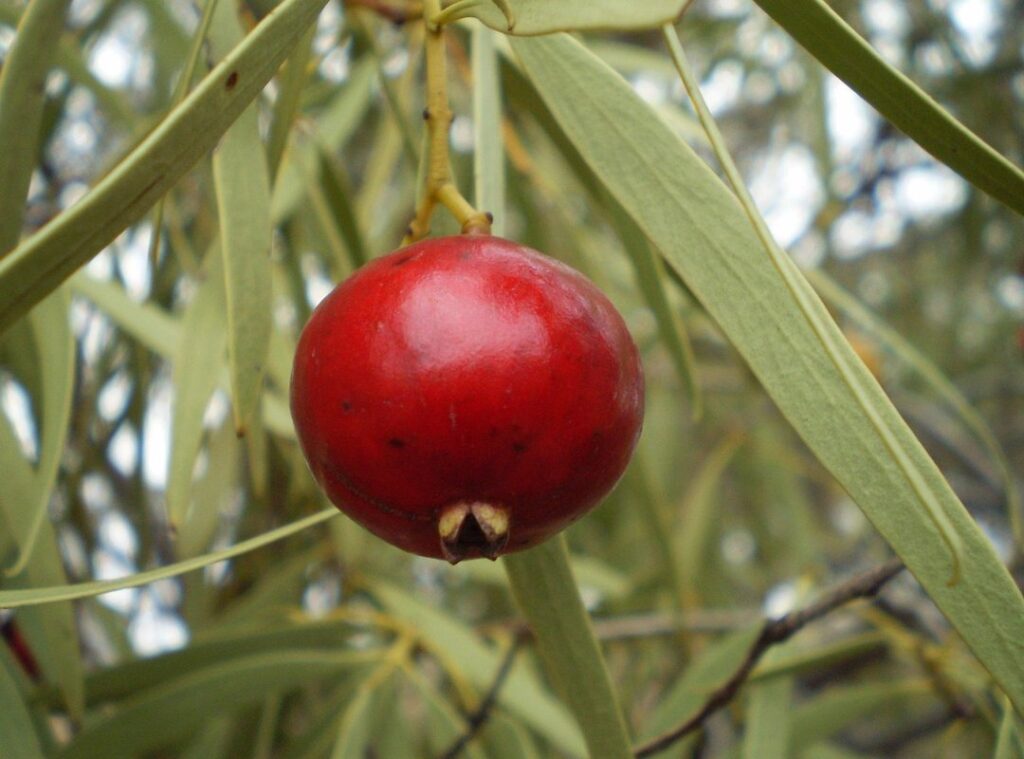
Ever bitten into a Quandong? It’s like a tart, peachy-apricot explosion. A flavor so unique, it’s practically screaming “Australian indigenous cuisines.” High in Vitamin C, Quandongs are fantastic in jams, pies, and sauces.
By the way, why aren’t we using this more in everyday cooking? It’s the stuff that should be in the spotlight, not just a bushwalk snack (if you ask me).
Now, let’s talk Kakadu Plum. This tiny fruit is a superfood powerhouse, boasting the world’s highest natural Vitamin C. Its tangy taste is unforgettable and sneaks into health products and gourmet dishes.
Honestly, I’m surprised it hasn’t taken the world by storm. Imagine the potential here!
Finger limes? You might call them citrus caviar. Those little juicy pearls add a zingy twist to seafood and cocktails.
What genius first thought, “Hey, let’s use this as a garnish!” Hats off to them.
Then there’s Wattleseed. Roast it, and you get this nutty, coffee-like aroma that’s simply intoxicating. Perfect for breads or desserts.
Honestly, it’s a game-changer in the kitchen.
Lemon Myrtle? Talk about flavor! Its lemon-lime punch is used in teas and sauces.
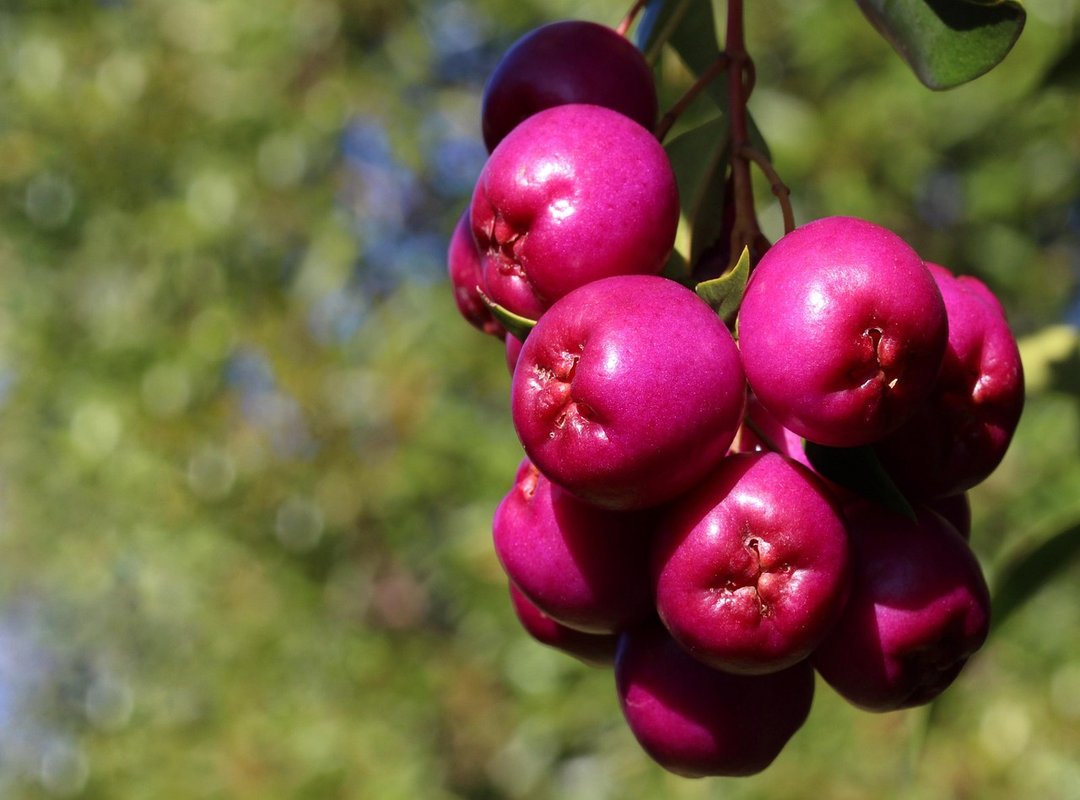
Last but not least, don’t sleep on Bush Tomatoes and Davidson Plums. They’re slowly enhancing so many dishes. Curious about flavor fusions?
Check out their secrets of moroccan tagines for a spice journey.
Discovering Australia’s Unique Protein Palette
When you think of Australian indigenous cuisines, kangaroo meat often hops to the forefront (pun intended). Lean and gamey, this meat is a powerhouse of protein with low fat. Traditionally hunted with skill, it’s now available in supermarkets.
But have you tried emu? It’s red meat too, yet surprisingly low in fat. Emus hold cultural significance, and their meat is a modern delight for those seeking healthier options.
Crocodile meat is another curiosity. Firm and white, it tastes mild, much like a mix of chicken and fish. It’s a specialty.
Try it if you can! Then there’s seafood. Australia’s extensive coastline offers a bounty of fish, shellfish, and crustaceans.
Indigenous communities have harvested these for ages. It’s an oceanic feast like no other.
Don’t overlook insects like witchetty grubs. Nutritionally dense with a creamy texture when raw and a nutty flavor when cooked. In arid regions, they’re a key protein source.
The sustainable practices and deep knowledge Indigenous communities hold are useful. Curious about diverse flavors? Dive into authentic thai street food for another culinary adventure.
Bush Tucker: Tradition Meets Sustainability
Bush tucker isn’t just food. It’s a mix of culture, history, and survival. Indigenous Australians have always known this.
They use it in ceremonies, storytelling, and medicine. It’s a living connection to their ancestors.
This isn’t just about eating. It’s about holding onto traditional ecological knowledge (TEK). TEK is an detailed understanding of the land and its seasons.
Indigenous people know when to gather, what to gather, and how much to leave behind. It’s sustainability at its finest. They learned this from their elders, who learned from theirs.
But colonization threw a wrench in the works. Many lost access to their traditional lands and, with it, a wealth of knowledge. That loss is felt deeply and is hard to reverse.
But there’s hope. There’s a growing push to revive australian indigenous cuisines.
This revival is important. It preserves culture and empowers communities economically. It also teaches a deeper appreciation for Australia’s unique biodiversity.
By supporting ethical sourcing and Indigenous enterprises, we make sure these foods don’t just stay in the past. They thrive in the present.
Pro tip: If you’re diving into bush foods, do your research. Support Indigenous businesses and learn their stories. It enriches the experience and helps maintain these key traditions.
Don’t just taste the food. Understand it. true appreciation begins.
Bush Tucker: Flavorful Fusion for Your Kitchen
Ever tried adding a twist to your meals with bush tucker? It’s more than just a buzzword. Finding these ingredients isn’t as hard as you might think.
Specialty stores and farmers’ markets are treasure troves. Even online retailers and Indigenous suppliers offer unique options. Wattleseed in coffee or bread?
Yes, please! It adds a nutty depth you’ll love. Finger lime in salads or cocktails?
You’ll wonder why you didn’t try it sooner.
Experimentation is key. Pair bush foods with traditional Australian dishes or international cuisines. Lemon myrtle in chicken dishes or desserts is a revelation.
It’s all about discovering what works for you. Fine dining restaurants are catching on. They’re embracing bush tucker to define a unique Australian culinary identity.
It’s exciting to see this trend rise.
Respect is key when engaging with these foods. Acknowledge their cultural origins and the knowledge holders who preserved them. Want to learn more?
Check out cookbooks, Indigenous-owned businesses, or cultural centers. They’re useful resources. Does this sound intriguing?
It should. Australian indigenous cuisines offer endless possibilities. Dive in and see where your culinary journey takes you.
What’s your next move in the kitchen going to be?
Discover the Depth of Flavor
I hope this article opened your eyes to the world of Australian indigenous cuisines. You probably started with little knowledge about these unique ingredients. Now you understand their cultural significance and value.
Exploring bush tucker isn’t just about tasting new dishes. It’s about connecting with Australia’s rich heritage and sustainable practices.
I urge you to seek out these incredible ingredients. Support Indigenous businesses and let your culinary journey continue.
Embrace the flavors with respect and curiosity. Your taste buds will thank you, and so will the environment. Take the plunge and start your exploration today.
 Orynthara Wren is dedicated to the spirit of global exploration and the art of the curated journey. Specializing in high-level itinerary optimization and cultural discovery, the platform serves as a guide for those seeking to navigate the world with curiosity and precision. From hidden local gems to seamless travel hacks, Wren empowers adventurers to transcend traditional tourism and engage deeply with the diverse landscapes and traditions they encounter.