
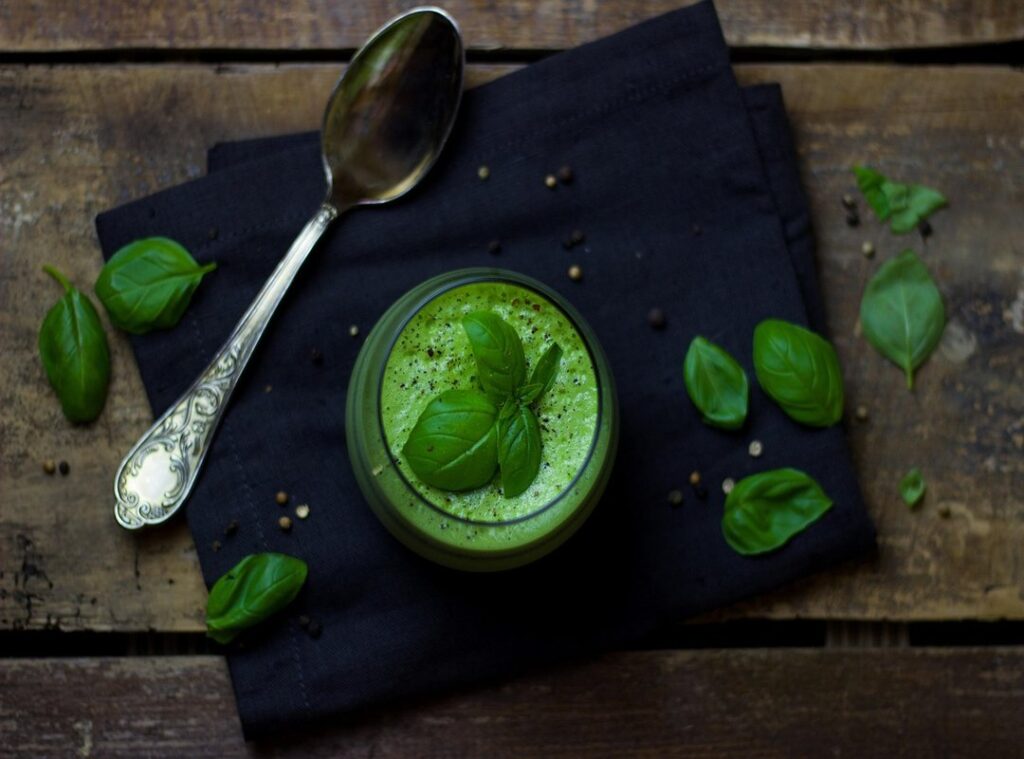
Soup has this amazing ability to comfort us, yet many struggle to make it memorable. You might find yourself stuck in a cycle of basic recipes, missing out on how herbs in soups can raise both flavor and nutrition.
I’ve been there. I love exploring different cultures and their unique uses of herbs. You can create something special by tapping into that knowledge.
This article dives into how to use these ingredients for delicious soups. I want you to understand that it’s not just about throwing in a handful of parsley or thyme. There’s a whole world of flavors waiting for you.
I know the culinary pulse and global techniques that can transform your cooking. I’ll share definitions, practical steps, and takeaways you can apply right away.
By the end, you’ll feel confident in your ability to create soups that taste great but also offer health benefits. This guide is built on genuine experience and a love for flavor fusion. Let’s transform your soup-making skills together.
Herbal Alchemy: Soup’s Secret Weapon
Ever wondered why your soup tastes flat? It’s all about the herbs. I can’t stress enough the foundational role herbs play in building a soup’s flavor.
You start with aromatics. Bay leaf, thyme, rosemary, marjoram. These guys are your basic building blocks, adding deep, earthy notes when simmered.
Think of them as the backbone of any good soup.
Layering is key. You don’t just dump everything in at once. Add herbs at different stages of cooking.
Start with dried herbs for a base, then finish with fresh for brightness. Bruising fresh herbs or blooming dried ones in fat releases their oils and intensifies flavor. You’ve got to let them shine.
Pro tip: Classic combinations like the French bouquet garni or Italian soffritto can guide your experiments. These aren’t just old-school traditions; they’re flavor powerhouses. And hey, while you’re exploring flavors, don’t miss out on exotic fruits savory dishes.
It’s another layer to your culinary adventure.
Herbs in soups aren’t just an afterthought. They’re important. They transform a bland broth into a symphony.
So next time you cook, remember to give herbs the spotlight they deserve.
Beyond Taste: Herbs in Soups for Health
Can the humble herbs in your soup really boost your health? Absolutely. When you simmer herbs gently, their beneficial compounds seep into the broth.
This process enhances flavor but makes these compounds more bioavailable. Think of turmeric and ginger, which have anti-inflammatory properties. It’s like giving your immune system a hug.
Ginger-turmeric broth? Perfect for warding off colds. Fennel and mint can work wonders for digestion.
Ever felt bloated after a heavy meal? A mint-cilantro soup might just be the answer. Then there’s oregano and garlic, champions of immune support.
We all need that extra help sometimes, right?
Selecting high-quality herbs is key. Freshness matters more than you think (no limp parsley, please). Fresh herbs pack more nutrients and raise your dishes.
But how do you know you’re choosing right? Look for lively colors and a strong aroma. If it smells good, it probably is.
Next time you make soup, don’t just throw herbs in thoughtlessly. Think about what you need. A cozy night in or fighting a cold?
Choose your herbs wisely. Your health will thank you.
A Global Palette: Exploring Diverse Herbal Traditions in Soups
Ever wonder why Thai soups like Tom Yum or Tom Kha have that unmistakable zing? It’s the herbs, my friend. Lemongrass, galangal, and kaffir lime leaves create a citrusy, aromatic explosion.
I remember my first sip of Tom Yum in Bangkok. It was like tasting sunshine. These herbs aren’t just ingredients; they’re the heart of the dish.
Now, let’s talk Mexico. Epazote is a game-changer in bean dishes or quesadillas, but it’s also a star in tortilla soup. And don’t even get me started on cilantro in pozole.
Bold and lively, these herbs define the soup’s identity.
Mediterranean soups, like Greek avgolemono or Italian minestrone, flaunt basil, oregano, and dill. They’re not just add-ons. They’re important.
Imagine avgolemono without dill. It’d be like a song with no melody.
Want to cook with these? Sourcing can be tricky. Fresh is ideal, but dried or frozen can work.
Chop them finely for a full flavor release. If you’re curious about blending cuisines, explore Fusing Italian Japanese Ingredients. Mixing herbs in soups is an art.
Master it, and your kitchen will never be dull again.
Fresh vs. Dried Herbs: Soup’s Secret Weapon
When should you go fresh, and when should you stick to dried in your soup? Let’s break it down. Fresh herbs are lively and pack a punch.
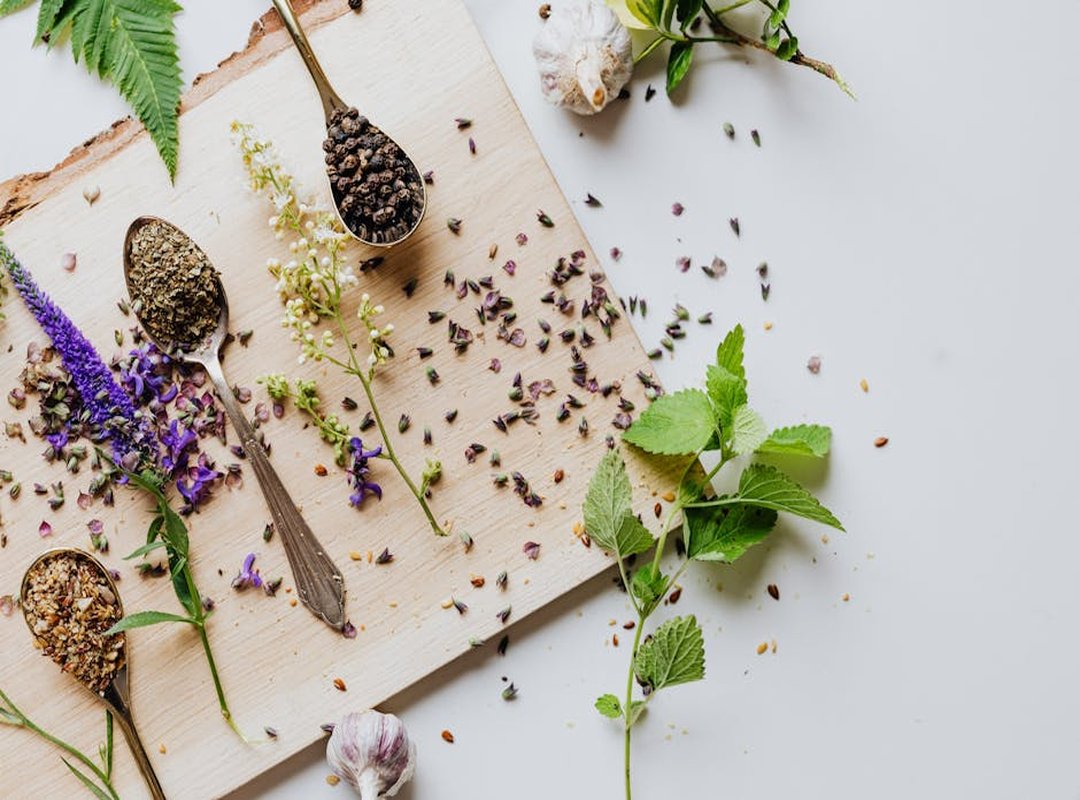
They’re best for that zingy flavor at the end of cooking. Think of parsley, cilantro, or basil. Dried herbs, on the other hand, are concentrated, mellow, and perfect for long simmering.
Ever tried a bay leaf or dried thyme in a stew? They’re magic.
Here’s the thing: dried herbs are potent. You only need a little. The general rule?
One teaspoon of dried equals one tablespoon of fresh. Easy, right? You want those dried herbs in early, so they release that deep flavor over time.
Fresh herbs? They’re the showstoppers. Add them at the end or as a garnish.
Now for a pro tip: layer it up. Use both dried and fresh versions of the same herb for a flavor explosion. This technique gives your soup a multi-dimensional profile.
Need more on herbs in soups? Check out the link for more tips.
And storage? Keep dried herbs in a cool, dark place. Fresh ones?
Wrap them in a damp paper towel and pop them in the fridge. Simple, right?
Unlocking Flavor: Advanced Herbal Soup Techniques
You love soups, right? Who doesn’t? But let’s get past tossing herbs into the pot and pray they’ll do their job.
You want depth, intensity, something that wows. So, here’s the deal. Start by “blooming” dried herbs and spices.
Heat a bit of fat (oil) or butter works. Then add your dried herbs. This lets the flavors unleash before you drown them in liquid.
Trust me, it makes a difference.
Ever try using an herb sachet? It’s like a tea bag but for your soup. Wrap whole herbs like bay leaves and thyme in cheesecloth.
Dip them in as you cook, then yank them out when you’re done. Easy, right? Keeps things tidy too.
For a fresh finish, make herb-infused oils or pestos. Swirl a rosemary oil or cilantro pesto into your soup at the end. It’s a genius move for a lively hit.
Try this: char or roast herbs like rosemary and thyme before adding. Sounds nuts? You’ll get smoky, complex notes that transform your dish.
Exhausted all options? Infuse your broth with whole herb stems or roots like ginger and lemongrass. Strain them for a clean finish.
That’s how you up your soup game with herbs.
Transform Your Soups Today
You’ve got the tools to raise your soups from bland to brilliant. No more uninspired meals.
Understanding the power of herbs in soups means you can tap into flavor, aroma, and health benefits. This knowledge turns cooking into an adventure.
Experiment with new combinations. Try influences from different cultures. You have the skills to create your own signature soups now.
Get creative in your kitchen. You’ll surprise yourself with what you can whip up.
So why wait? Start mixing those herbs in soups and let your taste buds celebrate. Share your culinary creations with friends and family.
Keep exploring flavors and techniques. The journey doesn’t end here. It just begins.
I can’t wait to see what you cook up next.
 Rooted in the philosophy of mindful living and intentional environments, Orynthara Dwell explores the deep connection between our surroundings and our well-being. The brand focuses on the mastery of home styling, blending aesthetic grace with functional purpose to transform living spaces into personal sanctuaries. By emphasizing clean lines and a harmonious balance of form and light, Dwell provides the blueprint for creating interiors that reflect a refined, modern lifestyle.