
Inconsistent cooking results drive me nuts. You know the struggle: burnt outsides, raw centers, or dry, tasteless meals. The problem often boils down to our lack of understanding of temperature management.
I’ve explored countless culinary techniques and discovered that heat control cooking is the unsung hero behind every great dish. When you get temperature right, everything else falls into place. This article is here to change how you think about cooking.
I aim to provide clear definitions, practical steps, and in-depth explanations to help you master temperature management. You’ll find examples that show how this skill applies to everything from sauces to perfectly seared meats.
With my background in dissecting global cuisines and flavor fusion, I can assure you that temperature is a universal language in the kitchen. It connects every culinary tradition and is important for achieving delicious, safe food.
Get ready to transform your cooking. Let’s dive into the art of temperature management. You won’t regret it.
The Science of Heat: Why Temperature Matters
Heat is more than just getting things hot; it’s the secret sauce of cooking. When you apply heat, proteins in your food start to denature and coagulate, reshaping their structure. This is what happens when your steak goes from raw to juicy.
Or when an egg turns from liquid to that perfect scramble.
You ever wonder what makes bread crusty and delicious? Enter the Maillard reaction. It’s a chemical dance where proteins and sugars meet heat.
Control over temperature means control over moisture. Cook something too long, and you end up with a dry disaster. Keep it low and slow and you retain the juices.
This reaction creates complex flavors and that crave-worthy brown color. Caramelization, on the other hand, is all about sugar. Heat transforms sugar into a sweet, golden magic.
It’s all about balance.
Mastering these principles leads to better cooking results. Want a crispy crust with a tender interior? You need precise heat control cooking.
For those diving into precise methods, definitely check out the essentials of water bath cooking. It’s a game-changer in temperature precision!
Precision Tools: Mastering Heat Control in Cooking
Let’s get real about kitchen thermometers. They’re not just gadgets. They’re your magic wands for perfectly cooked meals.
You need to know your tools: instant-read thermometers are ideal for meats, giving you quick reads so you don’t end up with dry turkey. Probes let you monitor without opening the oven door (because who needs that hassle?), while oven thermometers check your oven’s true temperature. Candy and deep-fry thermometers are for the brave souls tackling sugar and oil.
Calibration is key. I mean, what’s the point of a thermometer if it’s lying to you? Use the ice bath method: submerge the probe in ice water and adjust it to 32°F.
Simple, right?
But wait, there’s more! Knowing your oven’s hot spots can save you from burnt cookies. Cold water baths are great for rapid cooling, and preheating pans ensures even cooking.
Keep your tools accurate by storing them properly and away from extreme temperatures.
Heat control cooking is more art than science. And trust me, mastering it makes all the difference. Who doesn’t want to cook like a pro?
Tailoring Temperature: Mastering Heat for Perfect Dishes
Cooking is all about heat control cooking. Preheating the oven is non-negotiable. Jumping into baking without it?
Recipe for disaster. Whether you roast or bake, understanding convection (a fan-circulated heat) versus conventional (still heat) is key. And don’t forget carryover cooking!
That roast will keep cooking after you’ve taken it out. Plan accordingly or suffer dry meat.
Pan-frying and searing need precision. Get your oil hot enough to avoid sticking but not smoking. This fine line gives you that golden crust.
Keep your eye on it. Reduce heat when needed. It’s a dance, really.
Boiling, simmering, poaching (each) needs its own visual cues. Boiling is big bubbles, simmering is tiny bubbles, poaching is no bubbles (just steam). Keep delicate foods in check here.
Sous vide is another beast. Low and slow wins this race, giving you even and tender results. Overcooking isn’t an issue if you keep your temps steady.
For deep-frying, oil temperature is king. Too cool? Soggy fries.
Too hot? Burnt. Batch cooking?
Keep temps stable as you go. Need more guidance? Check out this resource.
Tinker with these strategies and watch your dishes transform.
Mastering Meat: Nailing Doneness and Safety
Cooking meat is an art, one I’ve spent years trying to perfect. Does getting that perfect steak sound like a mystery? It shouldn’t. Doneness is not just about food being safe to eat.
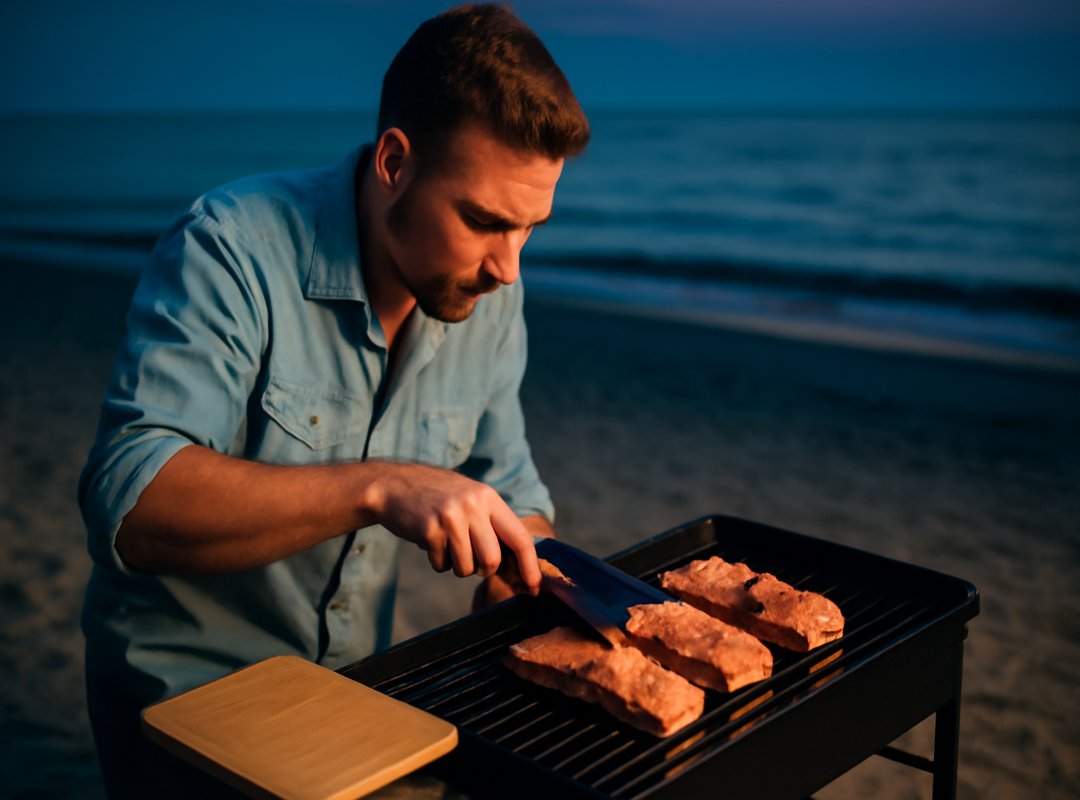
It’s about flavor and texture too. For instance, a steak’s temperature determines if it’s rare or well-done. So, what’s your preference?
Now, let’s talk numbers. Poultry needs to hit 165°F to avoid nasty bacteria, while pork is safe at 145°F. Fish?
Medium-rare at 135°F usually hits the sweet spot for both taste and safety.
You’re looking at 145°F too. Eggs should reach 160°F (no) one likes runny eggs that aren’t safe.
Ever heard of carryover cooking? Once you take meat off the heat, it continues to cook. That’s right (it’s) still going.
Plan for this. Pull your steak off the grill a few degrees early.
And don’t forget the danger zone: 40°F to 140°F. Bacteria thrive here, so keep food out of this range. Cool leftovers quickly using shallow containers.
An ice bath works wonders. Reheat to 165°F to keep things safe.
Remember, heat control cooking isn’t just a technique. It’s a necessity.
Mastering Heat: Tackle Temp Troubles in Cooking
Ever had a steak turn into a chew toy? Overcooking meat. When it exceeds the target internal temperature (kills) moisture.
Resting is a game changer. It helps redistribute juices. So, grab a thermometer and let meat rest, trust me.
Baked goods driving you nuts? Sunken cakes, burnt edges: these are signs your oven’s playing tricks. Opening that door too often?
Guilty! Use an oven thermometer to keep things consistent. Rotate pans halfway through baking.
You’ll thank me later.
Sauces breaking apart? Hollandaise and custards need gentle love. Too much heat or rapid changes make sauces curdle.
Find your zen. Emulsifying and tempering are key. This guide can help.
Bread not rising, dense as a brick? Here’s the kicker: yeast loves precision. Wrong yeast activation temperatures spell disaster.
So does skimping on proofing. Stick to optimal temperature ranges for happy yeast.
Cooking is a journey. Observe, learn, tweak. Heat control cooking isn’t just a term; it’s the future of your culinary prowess.
Adjustments based on temperature feedback? That’s how we get better.
Raise Your Cooking Game Today
You wanted to master heat control cooking and make your meals consistent. I’ve shown you how to tackle the frustration of uneven results and food safety concerns. By understanding the science behind temperature management and using the right tools, you can finally open up the full potential of your ingredients.
It’s time to take action. Start practicing these techniques with confidence. Experiment with your tools and see what works for you.
Imagine a kitchen where every meal is delicious, safe, and perfectly cooked. That’s possible when you embrace these principles.
Don’t settle for mediocrity in your cooking. I encourage you to dive in and raise your everyday meals into something exceptional. Start now and transform your cooking experience!
 Rooted in the philosophy of mindful living and intentional environments, Orynthara Dwell explores the deep connection between our surroundings and our well-being. The brand focuses on the mastery of home styling, blending aesthetic grace with functional purpose to transform living spaces into personal sanctuaries. By emphasizing clean lines and a harmonious balance of form and light, Dwell provides the blueprint for creating interiors that reflect a refined, modern lifestyle.