
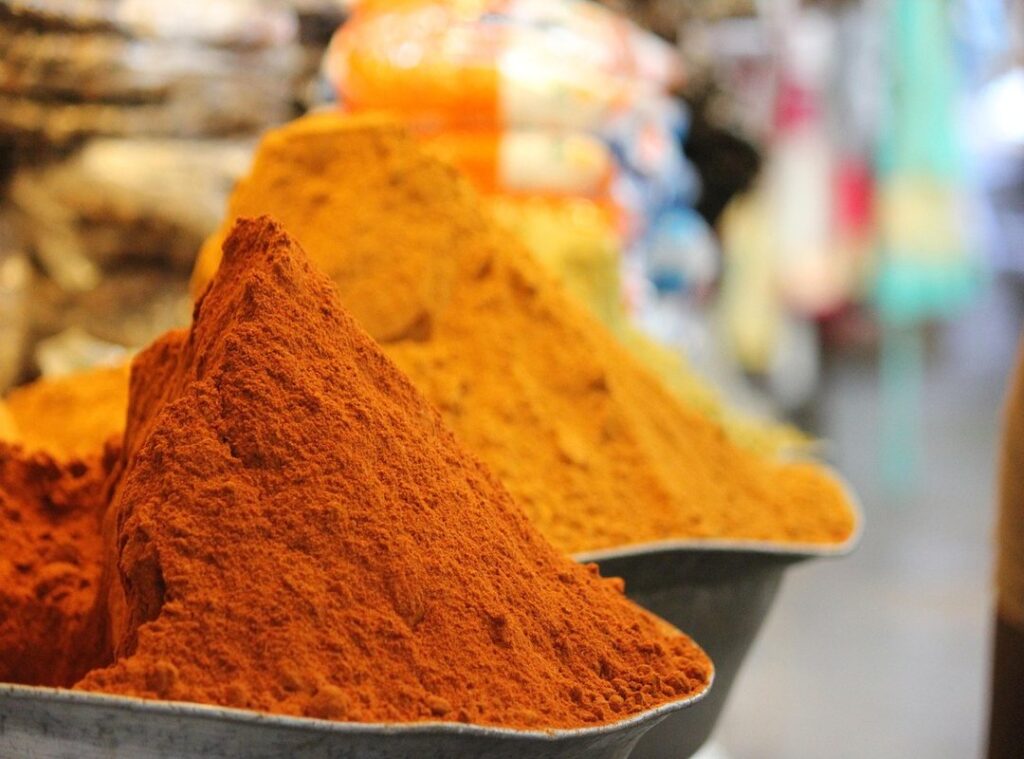
Many people don’t know how to use Indian spices effectively. It’s frustrating, right? These seasonings have a rich history and can totally transform your cooking.
I’ve spent years exploring global culinary techniques, and let me tell you, the flavors in Indian cooking are unmatched.
But here’s the thing: if you don’t know how to use these spices, you miss out on all that potential. I want to change that. I’ll break down the basics and share practical uses for these lively seasonings.
You’ll learn how to incorporate them into your everyday meals. With clear explanations and tips, you’ll become more comfortable in the kitchen.
Trust me, you’ll end up experimenting and enjoying new flavors in no time.
Get ready to raise your cooking game with Indian spices. This article will guide you every step of the way.
Indian Spices: Flavor and Tradition
Indian spices are a world unto themselves. You know them (turmeric,) cumin, coriander. They’re not just ingredients; they’re the heart of Indian cuisine.
Each spice tells a story, its own little piece of history and culture. Have you ever wondered why turmeric is in everything? Its bold yellow hue doesn’t just color dishes; it boasts a warm, earthy flavor and is renowned for its health benefits.
Cumin? It’s all about the smoky undertones that add depth to so many Indian dishes. And coriander?
It’s like a two-for-one deal. You get both the fresh citrusy leaves (coriander) and the spicy seeds (coriander seeds). That’s spice efficiency, right?
These spices aren’t just thrown into recipes for kicks. There’s cultural significance here. They’re steeped in tradition, passed down through generations like family heirlooms.
They bind people, uniting them through shared tastes and aromas.
Cooking with Indian spices is like opening a window to a lively past. They’re more than ingredients; they’re connections to heritage and celebration. Whether you’re cooking a simple lentil dal or a complicated biryani, these spices are your passport to a rich, flavorful world.
Feeling inspired yet? Get those spices out and start experimenting.
Spice Up Your Life: Indian Seasonings
Indian spices are more than just flavor bombs. They pack a solid punch for your health. Turmeric, a star in many dishes, contains curcumin.
Ginger is another wonder spice. You know it from your favorite curry, right? It contains gingerol, which can help reduce nausea and improve digestion.
This compound has been studied for its anti-inflammatory properties. Really, who doesn’t want less inflammation? A study published in The Journal of Alternative and Complementary Medicine found that curcumin can be as effective as some anti-inflammatory drugs.
Feeling queasy? Grab some ginger tea. Trust me, your stomach will thank you.
But let’s not forget the humble cumin. It’s rich in iron and can aid digestion. Some studies suggest it might help with weight loss.
Talk about a win-win. Balancing your diet with these spices isn’t just good for the health benefits. It’s a cultural experience.
Like exploring the heart of Italian cooking, you discover rich traditions and flavors.
So, next time you’re in the kitchen, don’t skimp on the spices. They do more than you think. Plus, your taste buds will have a field day.
Spice Up Your Life: Indian Seasonings in Everyday Cooking
Ever wondered how to bring the lively flavors of India into your kitchen? It’s simpler than you think. You don’t need to be a gourmet chef to make it happen (trust me, I’ve been there).
Start with the basics: cumin, coriander, and turmeric. They’re the holy trinity of Indian spices.
to a simple step-by-step. First, grab some cumin seeds and toast them lightly in a pan. This releases their aroma (trust) me, your kitchen will smell amazing.
Next, grind the seeds into a powder (or skip this if you’re in a hurry and use ground cumin). Add it to your dish with a pinch of turmeric for that golden color.
Now, coriander. It’s often overlooked, but it adds a citrusy note. Mix it with cumin for a balanced flavor profile.
Got a curry on the stove? Stir in these spices, and you’ve got the base for a classic Indian dish.
But what if you don’t want curry every night? No problem. Try sprinkling indian spices on roasted vegetables.
Or mix them into your scrambled eggs.
Balance is key. Too much turmeric can overpower a dish. Ever tasted a bitter curry?
That’s likely what happened. So, start small. You can always add more, but you can’t take it out.
Here’s a pro tip: use garam masala at the end of cooking. It’s a blend of spices that adds warmth and depth. Just a sprinkle can transform a dish.
Avoid common pitfalls by tasting as you go. Yes, you might need to experiment a bit. But that’s part of the fun, right?
Cooking is all about trial and error.
So, why not give it a try? Spice up your life with some Indian flavors. Who knows, you might just discover your new favorite dish.
Spice Secrets: Indian Seasonings Unveiled
Got questions about Indian spices? You’re not alone. Let’s tackle the basics first: storage.
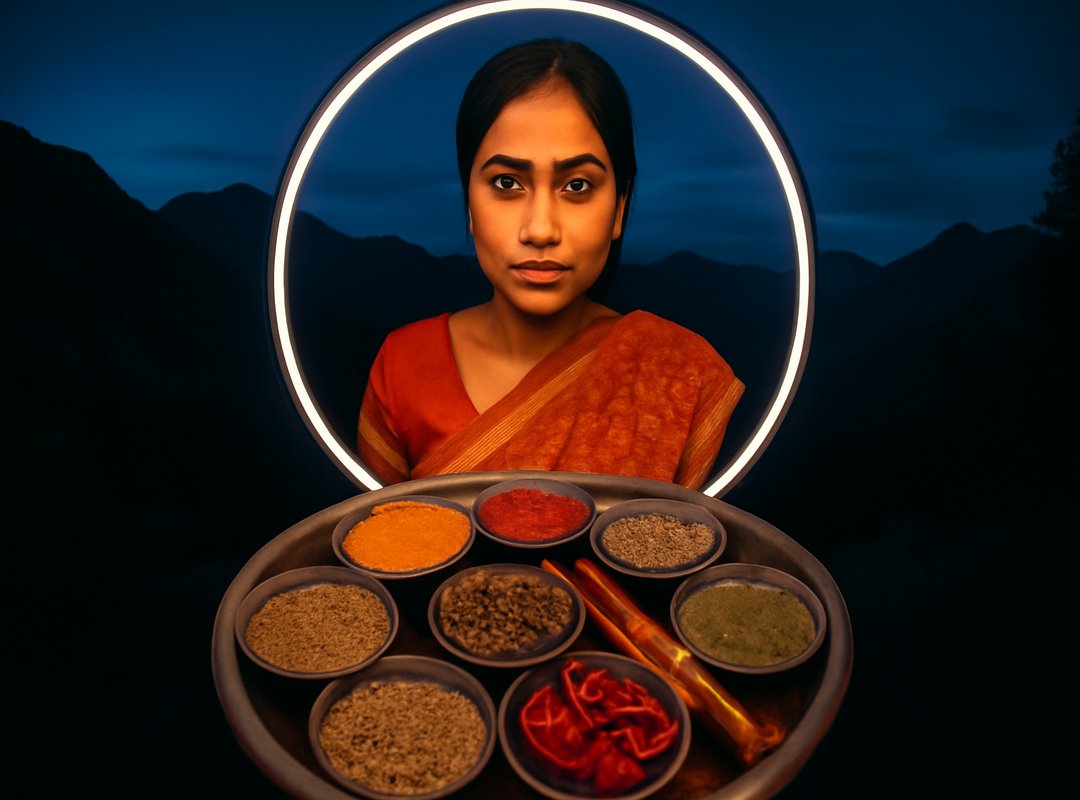
Keep them in airtight containers away from heat. Seems simple, right? Yet so many people overlook this.
Proper storage ensures your spices last longer and taste better. Speaking of which, most spices have a shelf life of about two years. But let’s be real (if) it’s been in your pantry for more than a year and you can’t remember buying it, it’s time to toss it.
Now, what about the myth that all Indian food is spicy? That’s just not true. Sure, some dishes pack a punch, but many are mild and aromatic.
It’s about balance. If you’re missing one spice, don’t panic. You can often substitute with similar spices.
For instance, if you’re out of cumin, try coriander. It won’t be exact, but it’ll work in a pinch.
And if you’re diving into Indian cooking, why not explore other cuisines too? Our journey mediterranean flavors offers exciting culinary alternatives.
So, do these answers change how you view your spice rack? They should. Indian spices are versatile, not just for curry.
They’re your gateway to global flavors.
Spice It Up: Mastering Indian Culinary Techniques
Ever tried tempering spices? It’s a game-changer. You heat oil until it’s shimmering, then toss in whole seeds like cumin and mustard.
The result? A fragrant, flavored oil that elevates any dish. That’s just the start.
Making your own spice blends at home. Like garam masala. Is possible, it’s empowering.
You get to control the flavors, the aroma, the intensity. Plus, your kitchen smells heavenly.
But Indian spices aren’t just for traditional dishes. Ever sprinkled them on popcorn? Trust me, it’ll revolutionize your movie nights.
Or add a pinch to your morning eggs for a spicy twist. Even cocktails can handle a dash of cardamom or clove.
Does this sound bold? It is. But that’s the magic of these spices.
They transform ordinary into extraordinary. So, why not dive in? Experiment.
Discover. Your taste buds will thank you.
Spice Up Your Kitchen Today
You now have a guide to Indian spices that can transform your cooking. These spices offer incredible flavors and deep cultural roots. Why not experiment with them?
Boost your culinary skills and impress your friends. Get started now. Your taste buds will thank you later.
Let’s cook!
 Rooted in the philosophy of mindful living and intentional environments, Orynthara Dwell explores the deep connection between our surroundings and our well-being. The brand focuses on the mastery of home styling, blending aesthetic grace with functional purpose to transform living spaces into personal sanctuaries. By emphasizing clean lines and a harmonious balance of form and light, Dwell provides the blueprint for creating interiors that reflect a refined, modern lifestyle.