
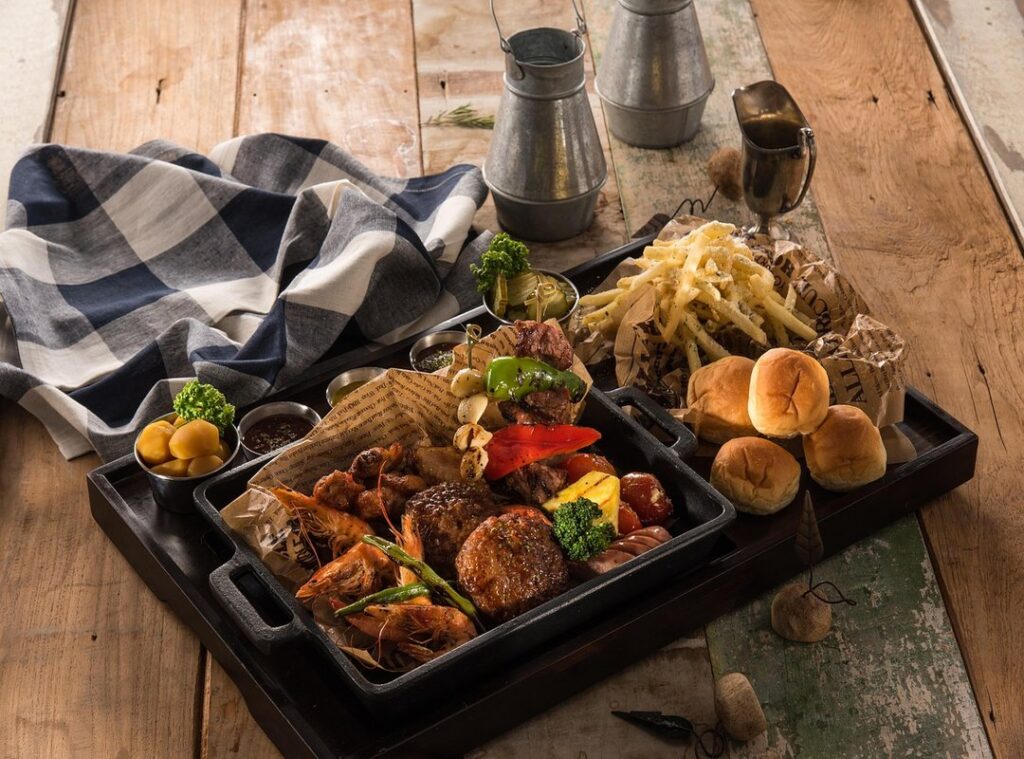
Are you tired of the same boring meals day in and day out? I get it. Culinary monotony is a real struggle for many home cooks.
This article will dive into the world of savory blended cuisine.
I want to help you break free from uninspired cooking and create exciting umami fusion dishes that wow your taste buds. With years of exploring culinary techniques and flavor combinations, I’ve gathered practical knowledge to raise your everyday meals.
I’ll share clear definitions, actionable techniques, and inspiring examples that make this all approachable. You’ll learn how to combine savory elements intentionally, transforming your cooking experience.
Mastering the art of savory blended cuisine is not just about recipes. It’s about understanding flavors and techniques that can raise your meals from mundane to magnificent. By the end, you’ll feel confident exploring this flavorful journey in your own kitchen.
Let’s get started!
Savor the Blend: Culinary Harmony Unveiled
Why is savory blended cuisine such a big deal? It’s not just tossing ingredients into a pot and hoping for magic. It’s an art form that involves the intentional combination of diverse flavors, textures, and ingredients.
Think of it as a symphony where each note (or ingredient) contributes to a harmonious and complex taste experience. It’s a dance, not a mashup.
Now, let’s break it down. At the heart of it, we have flavor profiles like umami, salty, bitter, and sour. Each has its role.
In a great dish, they interact brilliantly. Umami fusion dishes are a perfect example of how these flavors can create a taste experience that’s more satisfying than the sum of its parts.
Imagine a complex mushroom ragout, deeply layered curry paste, or a rich demi-glace. They aren’t just ingredients mixed together. They’re crafted, balanced, and designed to satisfy all taste dimensions simultaneously.
So, what’s the goal here? To achieve a “whole” that’s greater than its parts. It’s like when you watch a movie with a killer soundtrack that just makes every scene ten times better.
You’re not just eating food; you’re experiencing a masterpiece.
Flavor Fusion: The Art of Savory Blending
Creating umami fusion dishes isn’t just about tossing ingredients together. It’s about understanding balance. You want saltiness, acidity, bitterness, and umami to dance together without one flavor crashing the party.
Imagine a rich stew. A touch of citrus can raise it, cutting through the heaviness and brightening the dish.
Complementary flavors are your safe zone. Think garlic and onion or tomato and basil. They naturally get along.
But sometimes, you need a contrast. That’s where the magic happens. Have you ever tried a Spicy Meets Sweet Experiment?
It’s like taking your taste buds on a rollercoaster.
Aroma is another player in this game. Those volatile compounds? They shape flavor perception.
Fresh herbs can be lively, while dried spices bring depth. Layer them thoughtfully. Don’t just sprinkle them on top because you think it looks pretty.
Texture? Absolutely key. Creamy, crunchy, smooth, or chunky.
All these textures add layers to your dish. They make the eating experience changing. You don’t want it to be a one-note song.
Pro tip: Taste and adjust as you go. Cooking is not a set-it-and-forget-it deal. Your palate is your best guide.
Keep tasting, tweaking, and refining until it’s just right.
For more on fusion food styles, check out this overview. It’s packed with ideas. So, next time you’re crafting a dish, remember these principles.
They’re the backbone of a truly memorable meal.
Mastering the Art of Savory Blends: Secrets Unveiled
Ever wondered how chefs create those deep, complex flavors in their dishes? It’s no magic trick. It’s all about technique.
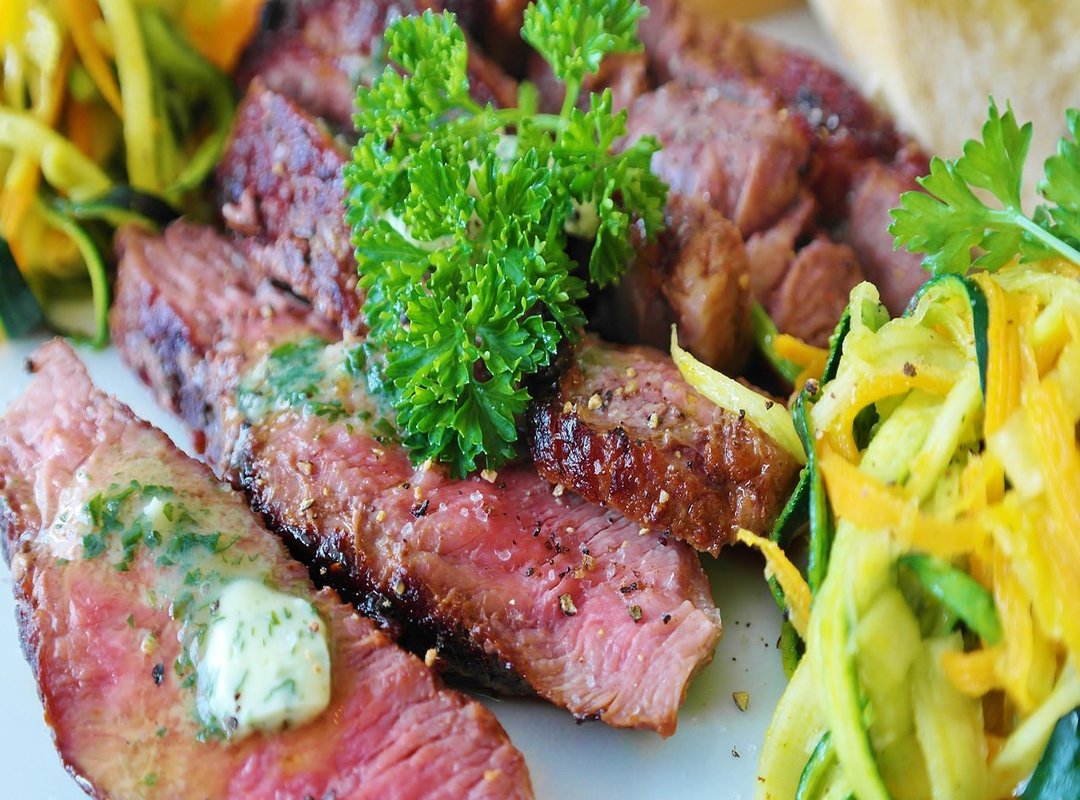
Let’s talk about layering. You start with the basics (aromatics) like onions and garlic. As they sweat and soften, they form a flavor base.
Next, meats go in. They sear, adding umami (that savory, mouth-watering quality). Then, liquids like broths or wines are introduced, simmering slowly.
Herbs finish it off, providing that final aromatic punch.
Now, let’s dig into reduction. This technique is about simmering liquids until they concentrate and intensify. Think of a rich wine sauce.
It starts as a simple mix of wine and broth, but as it reduces, it thickens. Flavors meld into a strong sauce that coats your palate and leaves you wanting more. Infusion, on the other hand, is about coaxing flavors out of ingredients like herbs, spices, or veggies into a medium like oil or cream.
Have you ever tried garlic-infused oil? You should. It’s big.
Pureeing and emulsifying play their part too. This is where textures and flavors come together in a smooth blend. Whether it’s a creamy soup or a dip, these methods make everything smooth and velvety.
Finally, roasting and searing impart that deep, caramelized note. It’s the heart of many umami fusion dishes.
Want to dive deeper into where tradition and innovation collide? There are endless ways to explore these techniques. Get cooking, experiment, and don’t hold back.
Your taste buds will thank you.
Global Inspiration: Savory Blends and Bold Flavors
When it comes to umami fusion dishes, global cuisines are the ultimate playground. Indian masalas, for instance, are a masterclass in blending spices. Think about garam masala or vindaloo.
Each spice is not just thrown in but meticulously chosen to create a symphony of flavors. You can almost smell the cardamom and cumin, can’t you?
Thai cuisine plays a different game. It’s all about balance. Sweet, sour, salty, and spicy come together in dishes like Tom Yum soup.
Ever tasted Green Curry? The interplay of lemongrass and coconut milk is nothing short of genius. It’s like a dance, each flavor taking its turn.
Let’s not forget Mexican moles. These sauces are a deep dive into complexity. Dozens of ingredients.
Chiles, nuts, seeds. Meld into something rich and layered. You can practically feel the texture of the sauce on your tongue.
It’s a journey worth taking.
French sauces like béchamel and espagnole? They’re foundational. They teach us about reduction and emulsification.
The layering of flavors is like a lesson in patience and technique. They’re not just sauces; they’re the backbone of French culinary art.
So, why not adapt these principles at home? Create your own spice blends. Experiment with aromatic combinations.
The goal isn’t just to follow recipes but to understand the ‘why’ behind them. This mindset will turn your kitchen into a world of exploration.
Doesn’t that sound exciting? Dive in and let your taste buds travel.
Your Flavor Adventure Awaits
You now have a solid grasp of savory blended cuisine. You know the definitions, principles, and techniques. Remember why you started this journey?
You wanted to break free from boring meals and add some flair to your cooking.
The takeaways I’ve shared (flavor) fusion, blending techniques, and global influences (show) you a clear path to achieving that. I encourage you to dive into your kitchen. Start with simple blends and work your way up.
This week, pick one technique to practice. Experiment with a new spice mix. Or try to break down the flavors of your favorite dish.
It’s time to start blending, tasting, and discovering umami fusion dishes that will transform your meals.
Don’t wait. Get in there and create something delicious. Your culinary adventure is just beginning.
Let’s make every meal a flavorful experience.
 Rooted in the philosophy of mindful living and intentional environments, Orynthara Dwell explores the deep connection between our surroundings and our well-being. The brand focuses on the mastery of home styling, blending aesthetic grace with functional purpose to transform living spaces into personal sanctuaries. By emphasizing clean lines and a harmonious balance of form and light, Dwell provides the blueprint for creating interiors that reflect a refined, modern lifestyle.