

Baking can be frustrating. You follow recipes to the letter but still end up with inconsistent results. Ever wonder why that happens?
This article aims to demystify baking by breaking down the science of baking into core principles and fundamental techniques.
I’ve spent years in the kitchen, testing, tasting, and understanding how different elements come together. I want you to move beyond rote memorization.
It’s time to get creative and confident in the kitchen. You deserve to know why baking works, not just how to do it. This isn’t just theory; it’s practical, actionable insight gained from real experience.
You’ll learn how to adjust recipes and experiment with flavors in a way that feels natural. By the end, you’ll see baking not as a chore but as an art.
Let’s help your baking journey together. It’s time to transform your skills and have fun while doing it. You’ll find that baking can be both successful and satisfying.
The Science of Baking: Ingredient Secrets Unveiled
Ever wondered why some cakes are light as air while others feel like bricks? It’s the science of baking. Flour is where it all begins.
The star player for structure, it forms gluten when hydrated, lending elasticity to dough. All-purpose flour is the go-to, but bread flour goes all-out on gluten, making it perfect for chewy textures. Cake flour, though, softens things up for delicate crumb.
Fats like butter and oils contribute more than just flavor (though that’s key). They create tenderness by coating flour proteins, staving off gluten formation. Creaming butter and sugar is magic (it) traps air, helping with leavening.
Speaking of sugar, it’s not just about sweetness. It’s a moisture magnet, and key for that golden brown crust (hello, Maillard reaction).
Liquids hydrate and help blend everything together, with eggs pulling double duty. They provide both structure and leavening (think steam from baking). Then there are the leavening agents.
Baking soda needs an acid to activate, while baking powder is ready to go solo. Yeast, our biological buddy, takes its time but rewards patience with airy textures.
So, the next time you bake, remember: these ingredients aren’t just there for show. They each have a purpose, and understanding them elevates your game. Happy baking!
Baking Bliss: Important Techniques Unlocked
I’ve spent countless hours in the kitchen, chasing that perfect cake. You know what I mean (the) one that’s light, airy, and downright irresistible. I’ve learned that the creaming method is key.
Mixing butter and sugar until fluffy creates tiny air pockets that expand during baking. This is the science of baking at work, my friends.
Folding in delicate ingredients like whipped egg whites? It’s an art form. Use a gentle hand to avoid deflating all that lovely air.
Imagine you’re cradling a newborn kitten. Seriously, be that gentle.
Kneading dough, on the other hand, is a workout. It’s all about developing gluten, which gives bread its structure. You’ll know it’s ready when it feels elastic and bounces back.
Don’t overthink it. Just trust your hands.
Now, tempering. Whether it’s chocolate or eggs (requires) patience. Warm them slowly to avoid curdling or seizing.
Picture it as coaxing a shy cat out from under the couch. Slow and steady wins the race.
Whipping egg whites or cream? Each stage has a purpose. Soft peaks for mousse, stiff peaks for meringue.
If you’re not sure, taste it. It’s the best part of baking.
Finally, let’s talk about proofing yeast dough. Temperature and humidity are key. A perfectly proofed dough springs back gently when poked.
Want to dive deeper into other culinary skills? Check out mastering perfect saute. Keeping these techniques in mind transforms baking from a chore to a joy.
Happy baking!
Precision in the Kitchen: Mastering Measurement and Prep
Baking is all about precision. You can’t just wing it like you do with cooking. Flour, for instance, is notorious for being tricky.
Ever notice how a cup of flour can weigh different from one day to the next? That’s why I swear by my kitchen scale. It’s the accuracy you need.
Volume measurements (like cups) are too inconsistent.
Here’s a pro tip: use the “spoon and level” method for dry ingredients. Spoon the flour into your measuring cup, then level it off with a knife. For liquids, get down to eye level.
It sounds basic, but it makes a world of difference.
Temperature matters too. Ever tried baking with cold butter when the recipe calls for room temperature? It’s a disaster.
Cold water for pie crusts, though (that’s) important. This is the part where the science of baking really shines.
And let’s not forget mise en place. It’s French for “everything in its place,” and it’s key. Set out your ingredients and tools before you start.
Trust me, it keeps the chaos at bay. Here’s a quick checklist: ingredients measured, oven preheated, pans lined. You’re ready to bake like a pro!
Baking Heat: Stirring Up the Perfect Loaf
Ever wonder why your cookies come out like hockey pucks or a gooey mess? It’s the science of baking. Heat transfer plays a huge role.
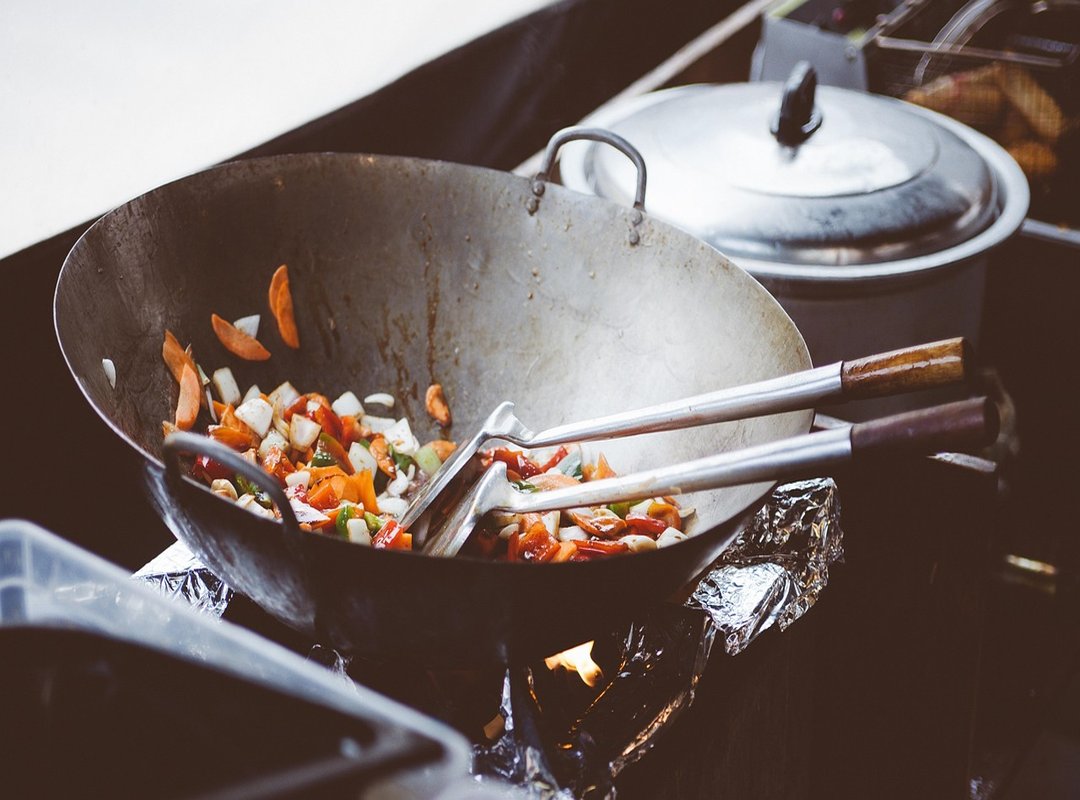
It impacts texture, rise, and how beautifully your crust browns. Now, I know what you’re thinking: How can anyone keep that oven in check? Here’s a pro tip: Get an oven thermometer.
Those built-in thermostats are as trustworthy as a toddler with a secret. Trust me on this.
So why all the fuss about heat? Well, it boils down to three things: conduction, convection, and radiation. Conduction is simple.
Heat moves through the pan. It sounds straightforward, but it’s key. Convection?
That’s the hot air swirling around, baking things evenly. Radiation? It’s like the sun on a clear day (direct,) focused heat.
Too high a temperature? Expect a burnt exterior and raw inside. Too low?
Mess these up, and you’ll ruin anything you bake.
Prepare for a sad, soggy mess. And who doesn’t hate oven hot spots? Rotate your baking sheets to manage uneven heat.
Finally, cooling. Neglect it and say hello to soggy tissues or, worse, collapse. Oh, and don’t forget to check out Important Knife Skills while you’re perfecting your bakes.
Baking Blunders: Quick Fixes for Common Mishaps
Ever had a cake sink in the middle? It’s frustrating. Over-leavening is often the culprit.
Or maybe you opened the oven door too soon. We’ve all been there. The science of baking is precise and unforgiving.
But knowledge is power, right?
Dry, crumbly baked goods could be thanks to overbaking or not enough fat. It’s like trying to make a sandwich with sandpaper. Tough breads are usually from overworking gluten.
Be gentle! Or choose the wrong flour? That could be the issue too.
Cookies spreading too much is a butter temperature issue. Or maybe too much leavening. The flour-to-fat ratio matters.
Really, it does. Uneven baking? Check your oven’s hot spots and where you place the pan.
These small things matter.
The key? Analyze mistakes. Apply what you’ve learned.
Like a detective in a kitchen. (Am I right?) Once you know the basics, solving these issues is easier. Go bake something amazing! Who knows, you might just nail it this time.
Bake with Confidence
You’ve got a solid grasp of the science of baking now. No more just following recipes blindly. I know the intimidation of baking can be overwhelming.
Those inconsistent results? They don’t have to be your story. Understanding core principles and mastering techniques gives you the power to create consistently.
Now it’s time to act. Apply these principles in your next baking project. Experiment with confidence.
Explore new recipes knowing you have the knowledge to back you up.
Start baking with purpose and pleasure today! Don’t let fear hold you back. Dive into the world of baking and watch your skills soar.
 Rooted in the philosophy of mindful living and intentional environments, Orynthara Dwell explores the deep connection between our surroundings and our well-being. The brand focuses on the mastery of home styling, blending aesthetic grace with functional purpose to transform living spaces into personal sanctuaries. By emphasizing clean lines and a harmonious balance of form and light, Dwell provides the blueprint for creating interiors that reflect a refined, modern lifestyle.