
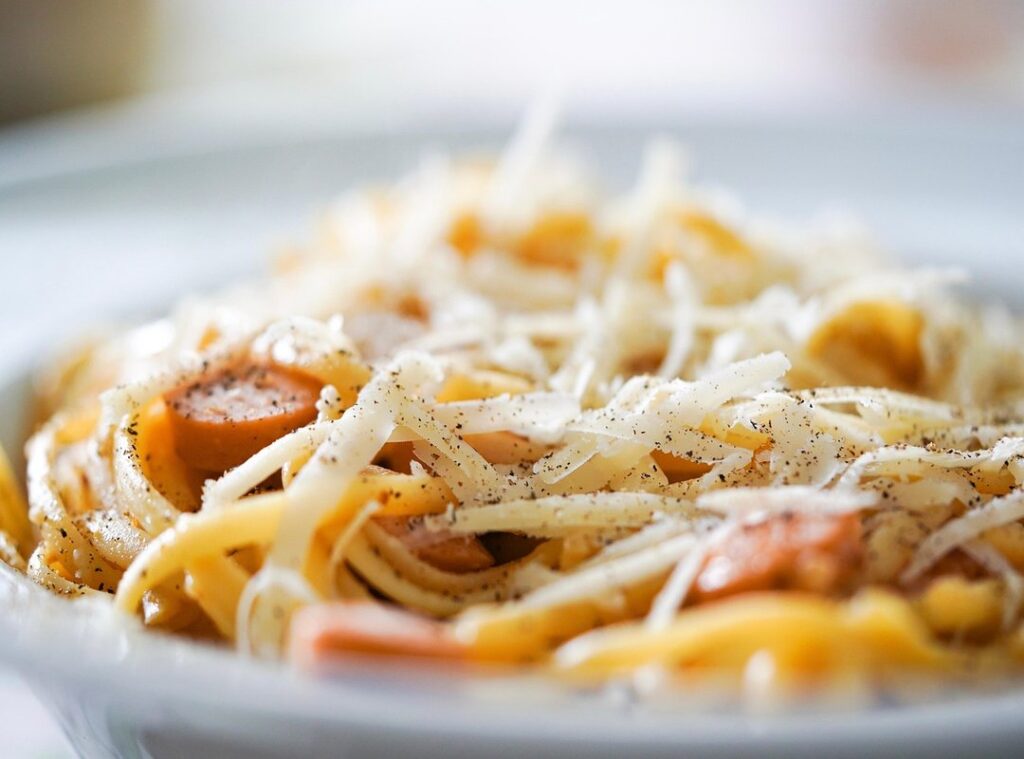
People love Italian cooking. But many feel overwhelmed by the idea of whipping up something authentic. You might think you need complicated recipes or fancy equipment, but that’s just not true.
I’ve spent years exploring how to simplify global cuisines, especially Italian. The magic lies in using fresh ingredients and mastering a few basic techniques.
This article will break down those important principles so you can recreate delicious Italian dishes at home without the stress.
You’ll learn how to approach Italian cuisine preparation in a way that feels manageable. I promise you’ll gain the confidence to cook your favorite meals without relying on store-bought alternatives.
I’m not claiming to be a master chef, but I know what works. This guide is for anyone who wants to enjoy real Italian flavors without intimidation. Get ready to roll up your sleeves and discover the joy of cooking authentic Italian dishes.
The Heart of Italian Cooking: Flavor Principles
Simplicity is the soul of Italian cooking. Why? Because a few high-quality ingredients trump a clutter of complex ones every time.
Think about it: a ripe tomato, fresh basil, and a drizzle of olive oil can create magic. This isn’t just cooking (it’s) an art form.
Freshness is non-negotiable. Seasonal, ripe vegetables and quality proteins are the backbone of any authentic Italian dish. You won’t find stale produce here.
It’s about letting ingredients speak for themselves.
Regionality adds another layer to this culinary mix. It’s fascinating how cuisine varies from north to south. In the north, butter reigns supreme, while the south swears by olive oil.
Each region has its own character, its own story to tell.
And let’s not forget the respect for ingredients. This means letting the natural taste of each component shine. No drowning things in sauce or spices.
Then there’s the balance of flavors. Ingredients are chosen to complement rather than overpower. It’s a delicate dance, and when done right, it’s pure harmony on a plate.
Just pure, unadulterated flavor.
Italian cooking isn’t just about recipes. It’s a philosophy, a way of life. Simple, fresh, regional, balanced, and respectful.
That’s Italian cooking.
Stock Your Kitchen: Must-Haves for Authentic Italian Cooking
Let’s talk about quality olive oil. It’s the backbone of Italian cooking. You need extra virgin for finishing (like drizzling over salad) and regular olive oil for cooking.
They’re different beasts. Trust me, your taste buds will notice.
Now, tomatoes. Not all are created equal. Canned tomatoes, especially San Marzano, are a must for sauces.
Pasta time! Dried and fresh pasta both have their place. Dried pasta like spaghetti or penne holds up well with hearty sauces.
Fresh tomatoes? Save those for salads. They shine when raw.
Fresh pasta? Perfect for lighter, creamy sauces. Know your shapes and pairings.
Italian cheeses add that final touch. Parmigiano-Reggiano is your grating friend. Pecorino Romano?
It packs a salty punch. Mozzarella is versatile, fresh for Caprese, low-moisture for baking.
Aromatics and herbs are important. Garlic and onions create the base. Basil, oregano, parsley, and rosemary?
They build complex flavors.
Don’t forget other staples: good quality salt, freshly ground black pepper, and a dash of cooking wine or vinegar can raise any dish. Ready to journey mediterranean flavors? Explore here. Your pantry should make any Italian nonna proud.
Italian Cooking: Unleashing Flavor with Simple Techniques
So, you want to master Italian cooking? First, the magic of soffritto. It’s the aromatic base for many Italian dishes.
You take diced onion, carrot, and celery and slowly sauté them. The key is patience. Let them sweat it out to release maximum flavor.
Moving on to pasta. Ever wonder why it never tastes quite right at home? It’s all about cooking it al dente.
Use a large pot of heavily salted boiling water. Trust me, it should taste like the sea. And don’t forget to reserve some pasta water.
It’s liquid gold for your sauce.
Now, let’s talk about a basic tomato sauce. Grab canned tomatoes, garlic, olive oil, and basil. Simmer it slowly to develop those deep flavors.
You’ll thank me later when your kitchen smells like an Italian grandmother’s.
Sautéing is another important. Quick cooking over medium-high heat in olive oil gives vegetables or proteins a slight browning. Throw in some garlic (because why not?).
It’s all about that tender texture.
Ever heard of emulsifying sauces? That reserved pasta water I mentioned? It helps bind the sauce to the pasta.
Creates a richer, more cohesive dish.
Last but not least, browning meat. Proper searing for ragù or meatballs builds deep flavor. Don’t rush it.
Let the meat do its thing.
Oh, and if you’re curious about japanese cuisine beyond sushi, that’s a whole other world of flavors to explore.
Italian Cooking: Classic Dish Prep
Italian cooking is all about simplicity and bold flavors. Take Pasta Aglio e Olio, for example. It’s a humble dish, but when done right, it’s perfect.

You boil spaghetti in salted water (don’t skip the salt, it’s key). Then, sauté thinly sliced garlic in olive oil. You want it fragrant.
Not burnt. Add red pepper flakes if you’re feeling spicy. Drain the pasta and save a bit of that pasta water.
Trust me, you’ll need it. Toss the pasta into the garlic oil. Splash in the reserved water to create a silky sauce.
Finish with fresh parsley and a drizzle of extra virgin olive oil.
Bruschetta al Pomodoro is another favorite. Simplicity at its finest. You start by toasting slices of crusty bread.
Rub each piece with a raw garlic clove. It’s that raw edge . Top with diced ripe tomatoes, fresh basil, and a generous pour of extra virgin olive oil.
Salt and pepper, of course. Serve immediately. It’s all about the freshness (and the speed).
Now, Caprese Salad. The ingredients have to shine. Arrange slices of fresh mozzarella and ripe tomatoes on a plate.
Tuck basil leaves in between (don’t) just scatter them. Drizzle with the best olive oil you’ve got. Season lightly with salt and freshly ground black pepper.
A touch of balsamic glaze, if you like.
For more on this, check out homemade italian cooking. You’ll find even more delicious ways to enjoy these classics. Each dish keeps Italian cooking grounded in its roots (straightforward,) honest, and delicious.
Raise Your Italian Game: Tips and Traps
First rule of Italian cooking: Don’t overcook the pasta. It should be al dente. Anything else is a mushy mess and ruins your dish entirely.
Seasoning is your friend. Salt, pepper, and fresh herbs can make or break a meal. Trust me, bland Italian food is sacrilege.
Now, about ingredients. Go for the good stuff. High-quality olive oil, tomatoes, and cheese are non-negotiable.
Italian dishes are simple. But when you use cheap stuff, everyone can tell.
Taste as you go. Adjust your seasonings, especially in sauces. It’s like checking your Snapchat to see how your story’s playing out.
You need constant feedback.
Don’t overcrowd the pan. Let those ingredients breathe. Otherwise, you’re steaming instead of browning (and soggy food is a crime).
Embrace leftovers. Italian sauces and stews are often better the next day. A pro tip: they blend and deepen in flavor; it’s magical.
Start Your Italian Cooking Adventure Today
Don’t let fear hold you back from Italian cooking. It’s simple and rewarding. The core principles, important ingredients, and key techniques make it easy.
So grab your apron, pick a recipe, and dive in. You’ve got this. Your delicious journey begins now.
Start cooking and enjoy every bite!
 Orynthara Wren is dedicated to the spirit of global exploration and the art of the curated journey. Specializing in high-level itinerary optimization and cultural discovery, the platform serves as a guide for those seeking to navigate the world with curiosity and precision. From hidden local gems to seamless travel hacks, Wren empowers adventurers to transcend traditional tourism and engage deeply with the diverse landscapes and traditions they encounter.