
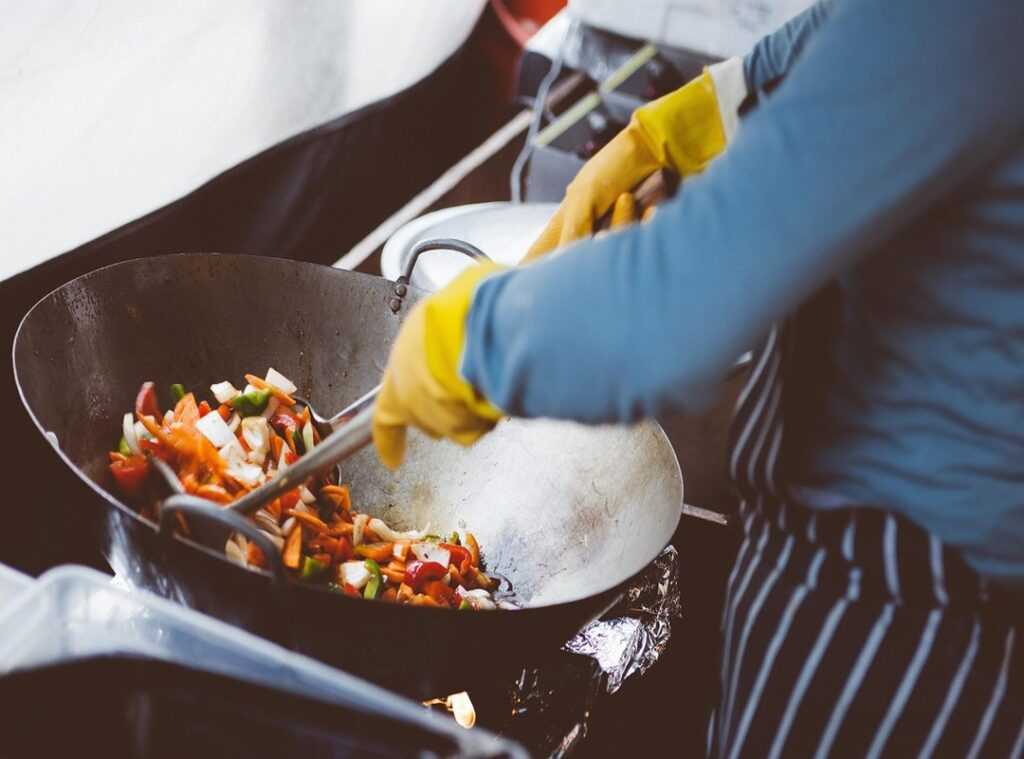
You want quick, flavorful meals at home, but you often end up with burnt, bland, or soggy food. I’ve been there, and it’s frustrating. That’s why I’m here to talk about the sauté technique.
This article will break down this method and help you achieve professional-level results in your kitchen. I’ll share straightforward definitions, step-by-step instructions, and practical takeaways that transform how you sauté.
With years of culinary experience, I know what works. I’ve seen how applying these precise techniques can raise simple ingredients into extraordinary dishes. It’s not just about cooking; it’s about enjoying the process.
You might be wondering if you really can master this method. Trust me, you can. I’m going to guide you through the important steps and pitfalls to avoid.
By the end of this article, you’ll feel confident sautéing like a pro. Get ready to change your cooking game and savor the delicious outcomes. Let’s dive in.
Sauté Technique: A Culinary Jumpstart
Ever wonder why chefs love the sauté technique? It’s all about speed and flavor. Sauté, from the French “sauter” (meaning “to jump”), involves cooking food quickly with high heat and minimal fat.
The goal? Rapid cooking that browns your food to perfection. This browning, known as the Maillard reaction, packs in those rich, concentrated flavors we crave.
Unlike pan-frying or stir-frying, sautéing uses less fat and higher heat, focusing on smaller, evenly cut ingredients. Think thinly sliced vegetables or small meat cuts. This method lets you preserve texture while unlocking intense flavors.
It’s fast, versatile, and perfect for when you want to keep things simple yet delicious.
Sautéing isn’t just about technique; it’s about results. You get dishes with a perfect sear and a burst of flavor. Want to experiment with other cooking methods?
Check out all about emulsions in cooking for more culinary takeaways.
Next time you’re in the kitchen, give sautéing a shot. You might just find it’s your new go-to method for quick, flavorful meals.
Sauté Like a Pro: Important Gear and Ingredients
When it comes to the perfect sauté technique, the right pan isn’t just a suggestion (it’s) a necessity. A heavy-bottomed pan with a wide surface area and sloped sides is your best bet. Why?
It offers even heat distribution and makes tossing ingredients a breeze. Stainless steel is my go-to for its heat retention and easy cleaning. Cast iron’s great too, but remember, it needs seasoning.
Non-stick pans? They’re fine for delicate items, but don’t expect much browning.
Now, let’s talk about fats. High smoke point oils like grapeseed or canola are ideal for high-heat cooking. You don’t want your oil burning and ruining everything.
Butter adds flavor but use it wisely (like at the end or mixed with oil). Olive oil is best for lower temperatures or as a finishing touch.
Ingredient prep is key. Uniform cuts make sure even cooking, and drying them thoroughly helps browning. Ever wonder why your veggies steam instead of brown?
They’re too wet. Pat them dry with paper towels.
Pro tip: Keep a thermometer handy to monitor your pan’s temperature. This way, you’re not guessing when it’s ready. Cooking’s part science, part art.
Embrace both for sauté success.
Sauté Like a Pro: Step-by-Step Mastery
First things first, get that pan hot. Seriously, don’t skimp on this. A properly preheated pan is your gateway to the perfect sauté.
How do you know it’s ready? Easy. Flick a drop of water onto it.
If it dances, you’re good. Stainless steel lovers, this one’s for you.
Next, let’s talk fat. Not too much, not too little. Just enough to coat the bottom lightly.
You want a shimmer, not smoke. If it’s smoking, you’re in trouble. It means the oil is too hot, and you might end up with a kitchen full of smoke.
Now, loading your ingredients. This is where many go wrong. Overcrowding the pan is a rookie mistake.
You need space for browning. Work in batches if you have to. Trust me, the results are worth it.
On to the actual cooking. Gentle agitation is key. Shake the pan or use tongs to turn ingredients.
This ensures even browning. It’s a bit of a dance, really. But it makes all the difference.
Seasoning is an art. When to add it? Timing is everything for flavor.
Watch for visual cues and texture. Perfectly sautéed means tender yet firm. If you’re unsure, a quick internal temperature check can help.
Finally, what to do post-sauté? Transfer to a warm plate. You can even deglaze the pan for a quick sauce.
It’s like adding a cherry on top. For more details about the sautéing 101, dive into this guide.
Master these steps, and your sauté technique will reach new heights. No more soggy vegetables or bland meats. It’s time to cook like you mean it.
Sautéing Secrets: Avoid These Common Pitfalls
Let’s talk about the sauté technique. Overcrowding your pan? It’s like trying to pack a party bus at concert capacity (steaming) replaces that magical browning.
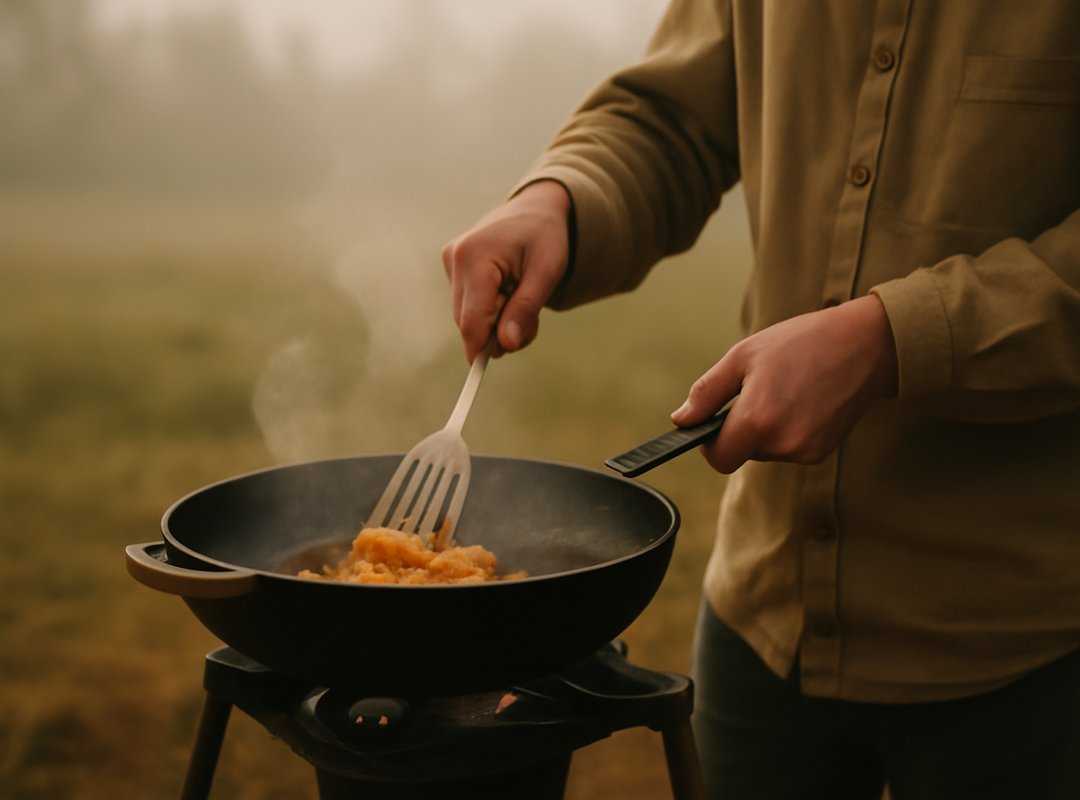
Solution? Smaller batches. Next, not enough heat means soggy, oily food.
Honestly, who wants that? Preheat your pan fully, then keep it hot.
Then, there’s the fat situation. Too much and you’ve got greasy chaos. Too little and food sticks or burns.
You need just enough to coat your ingredients without drowning them. Think of fat as a dance partner, not a pool.
Ever noticed how wet ingredients refuse to brown? Moisture is the enemy. Pat everything dry before hitting the heat.
Trust me, it makes all the difference. And, for heaven’s sake, stop stirring nonstop. Impatience kills the Maillard reaction.
Let it sit undisturbed long enough to develop a crust before turning.
Curious about other cooking techniques? The Essentials of Water Bath Cooking might just be your next culinary adventure. Pro tip: Mastering these basic techniques elevates your whole cooking game.
Now get out there, fire up that pan, and sauté like a pro. Cooking should be fun, not frustrating.
Sauté Like a Pro: Beyond Basics
Ever wondered why some chefs swear by deglazing? It’s simple. You pour a liquid like wine into a hot pan to scrape up all those browned bits (fond).
It’s like magic, transforming leftover bits into a bold pan sauce that packs a punch.
Now, let’s talk about layering flavors. Adding garlic or herbs at the wrong time can ruin a dish. You want to add aromatics when the oil’s hot but not smoking.
This way, they infuse the dish with a rich, complex profile.
Different ingredients, different tricks. For crisp-tender veggies, cook them quickly on high heat. Want a perfect sear on meat?
Pat it dry first. And seafood? Keep it delicate.
Cook on medium to avoid overcooking.
These sauté techniques can take your cooking from basic to brilliant. Remember, every dish is an opportunity to experiment. Channel your inner chef and get creative.
Who knows? You might just create the next big culinary hit.
Time to Sauté Like a Pro
You now have the skills to tackle the sauté technique. No more frustration over unevenly cooked meals.
By controlling heat, using the right fats, and handling ingredients smartly, you can create dishes that shine.
Why settle for less?
Take action now. Try a new sautéed vegetable side or a quick chicken dish at dinner. Experience the transformation for yourself.
You’ll see how mastering sautéing brings consistent flavor and texture to your table.
Let’s raise your cooking. Don’t wait; start sautéing today and impress everyone with your delicious meals.
 Rooted in the philosophy of mindful living and intentional environments, Orynthara Dwell explores the deep connection between our surroundings and our well-being. The brand focuses on the mastery of home styling, blending aesthetic grace with functional purpose to transform living spaces into personal sanctuaries. By emphasizing clean lines and a harmonious balance of form and light, Dwell provides the blueprint for creating interiors that reflect a refined, modern lifestyle.