

The culinary world is buzzing about plant-based dining trends. But here’s the problem: many people feel confused by all the diet labels and vague definitions. It’s a shame because they miss out on incredible flavors and healthy options.
I get it. It can be overwhelming. You want to eat well, but the endless noise makes it hard to find your way.
This article will clear up that confusion.
I’ve spent years diving deep into culinary innovation and global flavors. I know what works in the kitchen. I promise to deliver kitchen-tested takeaways that are useful and tasty.
You won’t just read about trends; you’ll learn how to embrace them.
This isn’t about hype or fads. It’s about real food that brings joy and health. By the end, you’ll have a clear roadmap to get through the exciting world of plant-forward dining.
Let’s demystify this movement and uncover delicious, practical ways to enjoy it. Grab your apron, and let’s dive in!
Decoding ‘Plant-Forward’: Beyond the Buzz
We hear a lot about “plant-forward” dining these days. But what does it actually mean? Simply put, it’s about making plants the main event without kicking all animal products to the curb.
Not to be confused with “plant-based,” which can feel restrictive, or “vegan,” which is strictly non-animal. Plant-forward is all about flexibility.
Why does this matter? Well, it’s a game-changer for both diners and chefs. It welcomes everyone, whether you’re a hardcore carnivore or a veggie lover.
Chefs get to flex their creative muscles, turning simple veggies into stars. Imagine a lively grain bowl where vegetables aren’t just sideshows but the whole show. Or a juicy steak paired with a stunning vegetable medley that plays second fiddle to nothing.
Plant-forward dining isn’t just about what you leave out. It’s about celebrating what you include. The natural flavors and textures of vegetables, fruits, grains, and legumes (yes, even those oft-overlooked lentils) are the heroes here.
This approach is shaping the future in more ways than one. Curious about how technology plays into this culinary shift? Check out how Technology Shaping Modern Kitchens is driving plant-based dining trends forward.
The Green Revolution: What’s On Your Plate?
Ever find yourself wondering why there’s a sudden buzz around plant-based dining trends? It’s not just about hopping on a foodie bandwagon. I see more folks tuning into the health benefits of eating whole, unprocessed foods.
They’re catching on that more plants equal more vitality, maybe even some extra years on the calendar (who doesn’t want that?).
But it’s not just about living longer. People are getting clued in on the environmental impact of their food choices. Less meat means smaller carbon footprints.
And let’s be honest, nobody wants to be the guy trashing the planet while chomping on a burger. It’s like a quiet revolution on our plates.
Ethical eating is another force in this shift. Have you noticed how many people care about animal welfare now? It’s like we’ve collectively decided that animals deserve better, and conscious consumption is our way of saying sorry.
Pretty wild, right?
Chefs are diving into flavor innovation, too. Plants have a versatility and depth many didn’t expect. And don’t get me started on the new ingredients popping up everywhere.
Easier access to diverse produce makes plant-forward cooking a breeze. It’s about time, don’t you think?
Global Flavors & Umami Bombs: Making Plants Irresistible
Ever wonder why some veggies taste like a party in your mouth? It’s all about global flavors and those umami bombs that make plant dishes unforgettable. Take Mediterranean cuisine, for example.
They use herbs, olive oil, and citrus like they’re going out of style. Or Asian dishes with their umami-rich mushrooms and fermented foods like miso and gochujang. These aren’t just ingredients; they’re magic.
Let’s talk Latin American flair. Smoky chiles and lively spices? They transform any boring vegetable into a superstar.
You can roast, grill, or braise your veggies to bring out incredible flavors. High-heat roasting? Perfect for caramelizing those natural sugars.
And don’t even get me started on fermentation. The tanginess it adds is unbeatable.
Umami is the secret weapon in plant-forward cooking. Think mushrooms, tomatoes, and seaweed. Even nutritional yeast (yes, it sounds weird, but trust me).
These ingredients turn plants into crave-worthy mains. Why settle for veggies as a side when they can steal the show?
Want to kick things up a notch? Start Discovering New Spice Blends. Shake up your routine.
Plant-based dining trends are here, and they’re delicious.
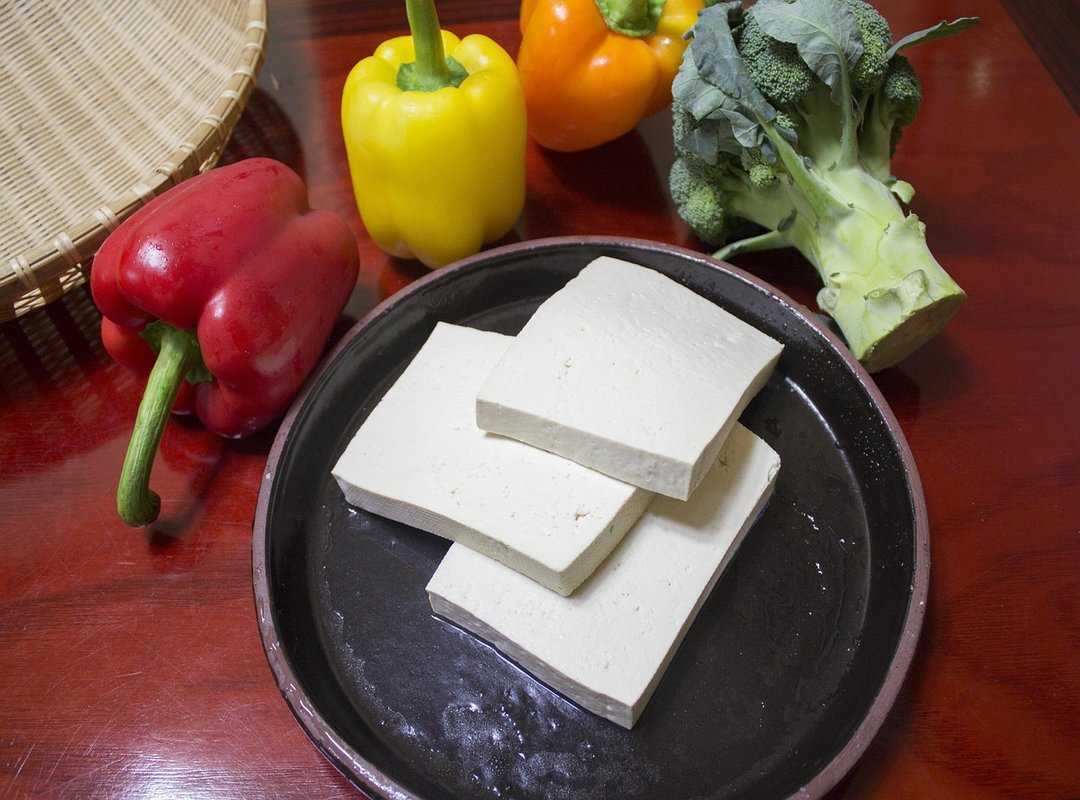
Beyond Tofu: New Plant Proteins & Whole Foods
I’ve noticed a shift lately from traditional, often processed meat substitutes towards whole-food plant proteins. It’s about time, right? Who knew lentils and chickpeas could be so exciting?
I mean, they’ve been around forever, but now they’re getting the spotlight they deserve. Add some black beans, and you’ve got a protein-packed trio.
But let’s not stop there. Ever tried ancient grains like quinoa or farro? They’re not just for salads.
Toss them in soups or make a grain bowl, and you’re set. Nuts and seeds like almonds, hemp, and chia are another category I can’t get enough of. They’re versatile (and delicious).
Emerging ingredients like oyster mushrooms and lion’s mane are making waves too. They add that meaty texture without the meat. And if you’re adventurous, algae-based ingredients are popping up (no, they don’t taste like seaweed).
So, how do you use these? Throw them into stir-fries, bake them into casseroles, or sprinkle them over salads. The possibilities are endless.
If you’re curious about more plant based food trends, dive in and experiment. This is the future of plant-based dining trends, and it’s tasty.
Hyper-Local and Waste-Wise: The New Sustainable Plate
Let’s talk about something that’s shaking up kitchens everywhere: connecting with local farms and prioritizing seasonal ingredients. Why? Well, it’s about freshness, flavor, and sustainability.
Ever tasted a tomato in July versus December? Exactly. Seasonal eating isn’t just about taste; it’s about nutrition too.
Local produce often packs more vitamins and minerals than stuff shipped from halfway around the globe. Plus, by buying local, we support our neighbors and cut down on that pesky carbon footprint.
Now, here’s a wild idea: using the whole plant. “Root-to-stem” dining might sound like a trend for hipsters, but it’s smart. Carrot tops, beet greens, they’re all edible. And tasty, if you give them a shot.
It slashes food waste and gets you more value for your money.
Want to try this at home? Farmers’ markets are your new best friends. They have guides to help you learn what’s in season.
Grab those “ugly” veggies (they taste the same, trust me). This plant-forward approach celebrates the earth’s bounty while being resourceful, which is key in today’s plant-based dining trends. You’ll feel good and eat well too.
Your Plant-Forward Adventure Awaits
You’ve come this far. Your confusion about plant-based eating is gone. Plant-based dining trends simplify your choices while keeping flavor in the spotlight.
Embrace these trends. They lead to lively meals, boost your health, and support sustainability. Why wouldn’t you want that?
Ready to bring these exciting trends to your kitchen? Start small! Pick one new trend from this article.
Experiment with a global spice blend, try a new whole-food protein, or visit a local farmer’s market.
Incorporate it into your cooking this week. Discover the delicious possibilities waiting for you. Let’s make this journey fun and flavorful.
You got this, and your taste buds will thank you.
 Kaelric Vornhaven founded Zhashlid to explore the intersection of global cuisines and modern gastronomic techniques. By focusing on flavor fusion and practical cooking hacks, Vornhaven has created a space that celebrates the "culinary pulse" of the world. His vision transforms complex professional methods into accessible inspiration, encouraging a more adventurous and refined approach to home cooking.