

Struggling with kitchen knives? You’re not alone. Slow prep, uneven cuts, and the fear of injury can make cooking feel like a chore.
I get it.
In this article, I’m here to demystify important knife skills so you can cook faster and safer. You deserve to enjoy the process, not dread it.
I’ve spent years honing these techniques, and I want to share what I’ve learned with you. Trust me; mastering these fundamental knife skills transforms your kitchen experience from daunting to delightful.
You’ll gain core skills that serve as the foundation for all cooking.
Imagine slicing through ingredients with confidence. Picture yourself preparing meals more efficiently.
With the right techniques, cooking becomes less about struggle and more about creativity.
By the end of this article, you’ll be equipped to raise your culinary game. Let’s get started and make your time in the kitchen enjoyable.
Mastering the Grip and Stance: Your Foundation for Safety
Let’s start with the chef’s grip. It sounds fancy, but it’s simple. Hold the blade between your thumb and index finger, wrapping the other fingers around the handle.
Why? This grip gives you maximum control and less fatigue. If you get tired, you’re doing it wrong.
Does your hand cramp? You might be gripping too tightly.
Now, the claw grip. It’s not about claws. It’s about safety.
Curl your fingertips inward and press your knuckles against the blade. This way, your fingers stay safe while guiding the knife. It’s like having a built-in guide.
Don’t forget your stance. Stand comfortably, feet shoulder-width apart, angled slightly towards the cutting board. This position keeps you balanced and minimizes back strain.
Ever felt a twinge while chopping? You might be standing wrong.
And please, stabilize that cutting board. Use a damp cloth or non-slip mat underneath. A slipping board is a danger waiting to happen.
Beginner mistakes? Using only the handle or having improper finger placement. These habits are not just inefficient; they’re downright dangerous.
Mastering these important knife skills can make a world of difference. Your safety and control depend on this foundation. Don’t skip it.
Sharpen Your Skills: Important Knife Techniques
When it comes to important knife skills, the “rocking motion” is a game-changer. Picture this: the knife tip stays firmly planted on the board while the heel lifts and lowers. This technique is perfect for chopping onions.
You know, when you’re trying to avoid tears and create even cuts? Keep the tip steady and let the heel do the dance. Your onion will thank you.
Next up, slicing. Forget hacking away like you’re in a horror movie. Instead, draw the knife smoothly through the food, almost like a warm knife through butter.
Tomatoes and cucumbers are good candidates here. Who wants squished tomatoes? Nobody.
Just glide the knife through and watch the magic happen.
Now, let’s talk dicing. Start by cutting your carrot into planks. Then, cut those planks into sticks.
Finally, turn those sticks into cubes. It’s all about those uniform pieces. It sounds simple, but there’s an art to it.
Consistency is key for even cooking and presentation.
Mincing is where it gets fine (literally). Garlic and herbs are your targets. Chop, gather, repeat.
It’s like a culinary dance. You want tiny pieces, not chunks.
Lastly, the chiffonade technique. For leafy greens, stack them, roll them tightly, and slice thinly. Basil loves this treatment.
It looks elegant and cooks evenly.
Why all this fuss? Uniform cuts lead to even cooking. Simple as that.
Now, if you’re wondering how to clean up after mastering these techniques, learn more in this guide.
Beyond the Board: Cutting with Confidence
Let’s get real about important knife skills. Ever tried cutting a round vegetable like an onion and felt like you’re wrestling a bowling ball? Start by slicing off one end to create a flat base.
Now you’ve got stability. Safety first, right? When it comes to bell peppers, the trick is to stand them up and cut around the core.
It’s like peeling an apple, but you end up with manageable pieces.
Herbs are another story. You don’t just toss them on the board and hack away. Gather them into a tight bunch, then mince or chiffonade.
It’s like giving them a hug before the chop.
Fibrous vegetables like celery or leeks need some love, too. Remove the tough outer layers first. Then, slice with clean, even cuts.
Tough or slippery ingredients? Use a sharp knife and controlled movements. Think of raw meat or squash as a stubborn friend.
It’s like peeling back layers of a mystery novel. You want the good stuff inside.
Firm grip, steady hand. You got this.
For citrus fruits, the supreme technique is key. Peel and pith gone, you slice out segments like you’re carving marble.
Want more on this? Check out knife cutting techniques for professional chefs. You’ll thank me when your fingers stay intact and your dishes look pro.
Knife Care and Sharpening: Keeping Your Edge
You’d think a sharp knife is dangerous, right? Wrong. A sharp knife is actually safer.
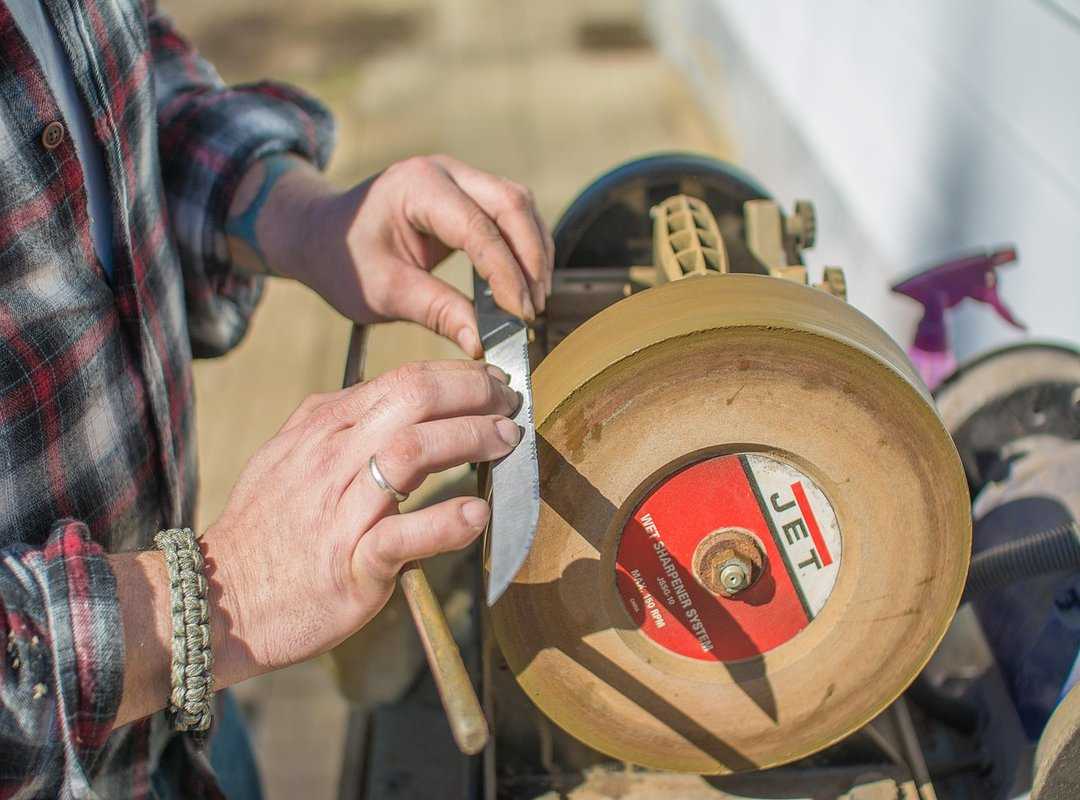
It slices cleanly without slipping, reducing the chance you’ll cut yourself. Ever try slicing a tomato with a dull blade? It’s a mess (literally).
Sharp knives make your cooking more fast and produce cleaner cuts.
Now, let’s talk cleaning. Wash your knife by hand right after use. Dishwashers are a no-go.
They can damage the blade and handle. Dry it thoroughly to avoid rust. Simple, but key.
Storing knives properly is part of important knife skills. Knife blocks, magnetic strips, or blade guards work best. They protect your edge and keep accidents at bay.
Ever wonder what that long steel rod is for? It’s a honing steel. It realigns the edge (not sharpens it).
Use it before or after each use. Hold the blade at a slight angle. Slide it down the steel with light pressure.
Easy as pie, once you get the hang of it.
When honing isn’t enough, consider a whetstone or professional sharpening service. No need to fuss over angles and grits unless you’re a pro. Want more time saving hacks?
Check this guide.
Knife Skills: Sharpening Your Slice
Rushing through your chopping like it’s a race? That’s mistake number one. Trust me, I’ve sliced my share of fingers.
Focus on your guiding hand, not the knife. It’s about precision, not speed. And for the love of all things culinary, never use a dull blade.
It’s a recipe for disaster (literally).
Start with easy veggies like potatoes or carrots. They’re cheap and forgiving. Consistency and rhythm are your friends here.
Practice slow, deliberate cuts. Speed comes later with confidence.
Watch the pros. YouTube or cooking shows are goldmines for refining your important knife skills. You’ll pick up on details you never noticed before.
Be patient. Skill doesn’t happen overnight. Celebrate every little improvement.
You’re not aiming for perfection on day one. It’s about progress. Remember, mastery is a journey, not a destination.
Keep at it. You’ll get there. And when you do, it’ll be worth every painstaking slice.
Your Kitchen Confidence Awaits
Mastering important knife skills is the key to enjoying cooking. You no longer need to fear unsafe knife use. With practice, you’ll slice and dice safely and efficiently.
Every meal can be a delicious success when you’re confident with your knife. So, grab a knife and dive in. Start with one technique and focus on it.
You’ll see progress sooner than you think. Your culinary transformation starts today. What are you waiting for?
Let’s get cooking!
 Orynthara Wren is dedicated to the spirit of global exploration and the art of the curated journey. Specializing in high-level itinerary optimization and cultural discovery, the platform serves as a guide for those seeking to navigate the world with curiosity and precision. From hidden local gems to seamless travel hacks, Wren empowers adventurers to transcend traditional tourism and engage deeply with the diverse landscapes and traditions they encounter.