
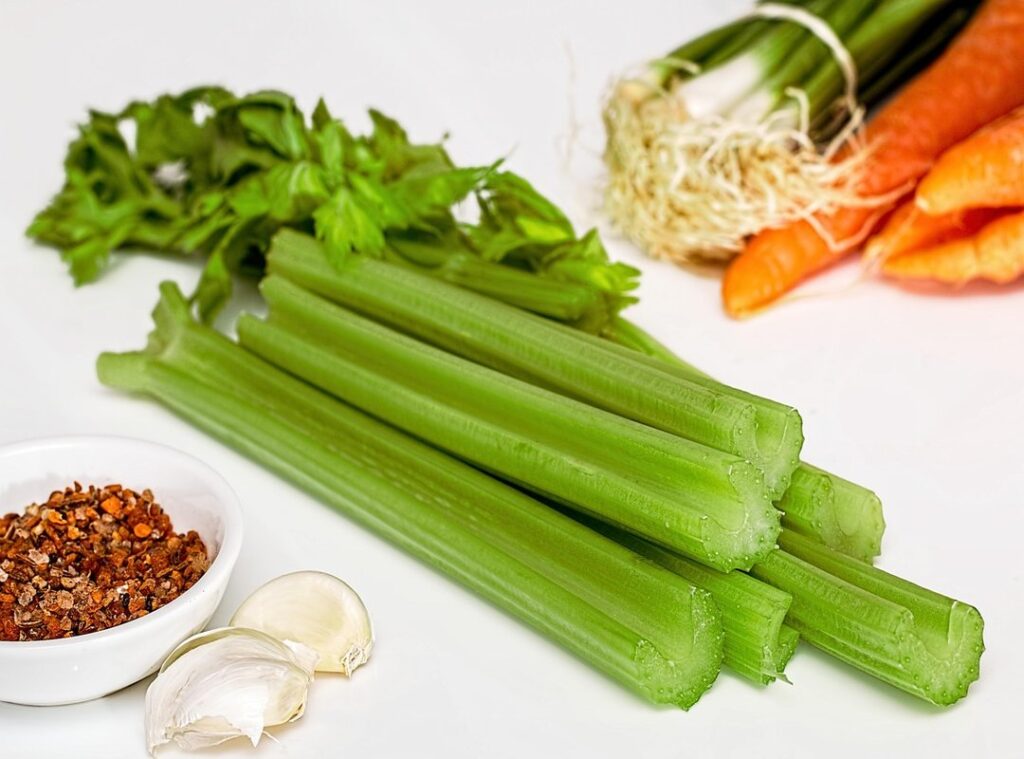
Are you tired of the same old meals that lack excitement? I get it. Cooking can feel like a chore when your ingredients seem dull and repetitive.
But what if I told you there’s a way to shake things up? This article dives into seasonal cooking, a method that can transform your everyday meals into lively, flavorful experiences.
I’ve spent years exploring culinary techniques and global flavors. I know what truly makes a dish pop. Seasonal ingredients raise taste but can also make your cooking healthier.
You’ll learn what seasonal cooking really means, why it matters, and how to easily incorporate it into your routine.
Imagine impressing your friends and family with meals that burst with freshness and flavor. I promise, once you embrace this approach, you’ll change the way you think about food. Let’s open up the potential of your kitchen together.
Seasonal Cuisine: Why It Matters
Seasonal cuisine is all about cooking with ingredients that are naturally ripe and available during a specific time of year in a particular region. Sounds simple, right? But it’s more than just a trendy buzzword.
When you eat with the seasons, you’re diving into peak flavor and nutrition. Imagine biting into a tomato that’s been sun-ripened versus one that’s been trucked across the country. The taste difference is night and day.
Now, let’s talk money. Seasonal cooking can save you cash because when produce is abundant, prices drop. It’s simple supply and demand.
Plus, you’re cutting down on those pesky transportation costs, which is a win for your wallet.
Then there’s the environmental impact. Eating seasonally reduces your carbon footprint. You’re supporting local farms and not relying on produce flown in from far away.
It’s a small step, but it adds up.
And don’t forget the culinary inspiration. Working with what’s in season pushes you to try new recipes. It keeps your meals fresh and exciting.
If you’re curious about how technology is shaping modern kitchens, check out this technology shaping modern kitchens article. It’s all connected. Seasonal ingredients, cost savings, environmental benefits, and culinary creativity.
Fresh Finds: Sourcing Seasonal Ingredients
Navigating the world of seasonal cooking can be a game changer for your meals. It’s not just about taste. It’s about eating produce at its peak.
But how do you find what’s in season?
First, hit up your local farmers’ markets. These are gold mines for fresh, seasonal goodies. Plus, you can chat with the growers themselves.
They know their stuff and can tell you what’s just been harvested. Pro tip: ask how they like to cook their produce. You’ll get some insider knowledge.
Next, check out local produce guides. Many online resources and co-ops publish regional charts that show you what’s in season. Your local agricultural extension website probably has one too.
It’s like having a cheat sheet for fresh produce.
Don’t ignore supermarket displays. Ever notice a pile of fruit suddenly on sale? It’s likely in season.
Supermarkets often stock up on what’s abundant, so pay attention to those displays.
Also, talk to your grocer. They can give you the scoop on what’s currently ripe and ready. They might even offer tips on how to pick the best of the batch.
Remember, seasonality varies by location and climate. For instance, citrus might be thriving in Florida while California’s just warming up to it.
When selecting produce, look for lively color, firm texture, and a pleasing scent. Avoid bruises or blemishes.
To get you started, think asparagus and strawberries in spring, tomatoes and berries in summer, squash and apples in autumn, and root vegetables in winter.
For more tips and tricks, check out seasonal cooking. It’ll open up a whole new world of flavors.
Seasonal Cooking: A Flavorful Journey
Seasonal cooking isn’t just a trendy buzzword. It’s important for maximizing ingredient quality and flavor. Spring and summer are all about keeping it light!
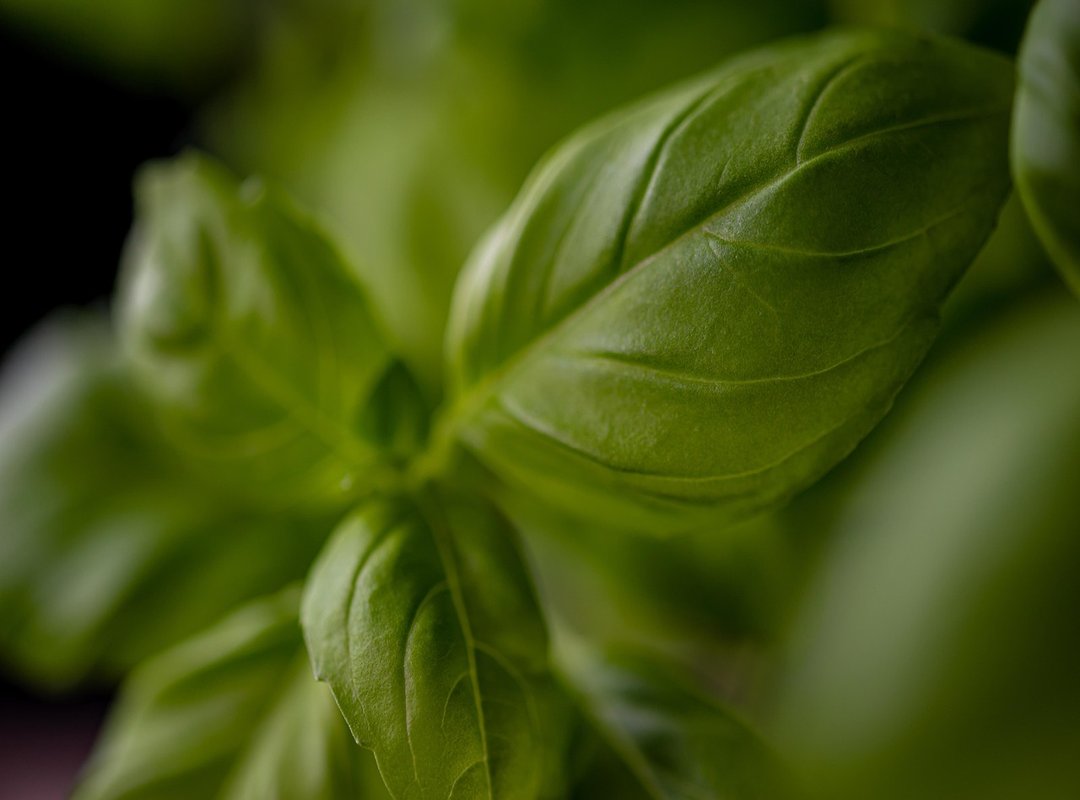
Fall and winter? That’s when you pull out the heartier recipes. Roasting, braising, and stewing dig out the earthy richness in root vegetables and squashes.
Quick sautéing, grilling, or even eating raw preserves the delicate taste of fresh herbs and young greens. You don’t want to drown your summer bounty in heavy sauces. Let those berries shine on their own!
The cool weather gives you an excuse to slow down and savor the process. When was the last time you savored anything?
Here’s how you can master some techniques with common seasonal items. Roasting root vegetables at high heat caramelizes their natural sugars, transforming them into sweet, crispy bites. For green beans, a quick blanch keeps them lively and crisp-tender. Just don’t overdo it.
You want that satisfying snap when you bite.
And how about dressing a summer salad? A simple vinaigrette is your best friend here. Oil, vinegar, a touch of mustard (done.) No need for complex concoctions.
When ingredients are at their peak, less is more. Let their inherent quality shine.
Pro tip: Trust your senses. If it smells fresh, it probably is. Seasonal cooking is all about grounding yourself in nature’s rhythm.
You don’t need a PhD in gastronomy. Just good produce and a willingness to experiment. Why complicate what nature has already perfected?
Flavor Mashups: Cooking Hacks with Seasonal Ingredients
Seasonal cooking can be simple and exciting if you know a few tricks. One of my favorites is batch prep. Roast a bunch of vegetables at once.
Store them, and they’ll be ready for salads, pasta, or sides throughout the week. Makes life easier, right?
You can also try simple preserving. Quick-pickling cucumbers or radishes extends their shelf life and adds a tangy twist to your meals. Imagine adding pickled radishes to tacos or sandwiches.
You’ll thank me later.
Herbs and spices are secret weapons. Pairing them right can turn a dish from meh to marvelous. Dill loves spring veggies, while rosemary cozies up to winter squash.
Feel free to experiment!
Let’s talk flavor fusion. Ever tried sweet with savory? Peaches with grilled chicken might sound odd, but it’s a game-changer.
Or toss apples into a savory salad. Trust me, you’ll love it.
Global cuisines also hold secrets. Fresh spring greens in a Thai curry? Yes, please.
Mediterranean salads with summer berries offer a unique twist. It’s like traveling the world from your kitchen.
Start seeing seasonal ingredients as tools for creativity. Challenge yourself. Mix and match.
Why not create your own culinary masterpieces?
And while you’re diving into these experiments, check out Trends In Plant Based Dining for even more inspiration. They’re packed with ideas on how to innovate with plants.
Remember, cooking is like a playground. Don’t just follow recipes. Make them your own.
Embrace the chaos in the kitchen. It’s where the magic happens.
Raise Your Meals Today
You wanted more flavorful meals. I get it. Bland food and uninspired cooking are frustrating. Seasonal cooking fixes that.
By choosing ingredients at their peak, you tap into superior flavor and health benefits. This connection unlocks your culinary creativity.
Don’t wait. Start your journey this week. Visit a local farmers’ market and grab one new seasonal vegetable.
It could be something you’ve never tried before. Find a simple seasonal recipe and dive in. Trust me, you’ll be amazed at how just one change can raise your cooking.
This is about more than just food. It’s about enjoying what you eat and feeling good doing it. Embrace seasonal cooking.
It’s an easy yet deep way to transform your kitchen and your meals. Your taste buds will thank you. Now go out there and make something delicious.
You’ve got this.
 Orynthara Wren is dedicated to the spirit of global exploration and the art of the curated journey. Specializing in high-level itinerary optimization and cultural discovery, the platform serves as a guide for those seeking to navigate the world with curiosity and precision. From hidden local gems to seamless travel hacks, Wren empowers adventurers to transcend traditional tourism and engage deeply with the diverse landscapes and traditions they encounter.